Ancient Roman Tool Found in Czech Republic May Reveal How Chainmail Armour Was Made!
A fascinating discovery in the Czech Republic is giving archaeologists fresh insight into how metalworkers may have crafted Roman military equipment nearly 2,000 years ago. Among a wealth of finds, one object in particular, a rare Roman calibration plate, could help explain how the fine metal wires used in chainmail armour were produced.
The discovery was made during an archaeological excavation along the planned high-speed rail route between Nezamyslice and Kojetín. Led by the Archaeological Center Olomouc, the dig covered a relatively short stretch of land (just over a kilometre) but revealed an extraordinary density of historical remains.
In total, archaeologists uncovered more than 1,000 features buried beneath the surface, indicating that this area of the Haná River valley was continuously inhabited for over two millennia, from the Early Bronze Age right through to the Roman period.
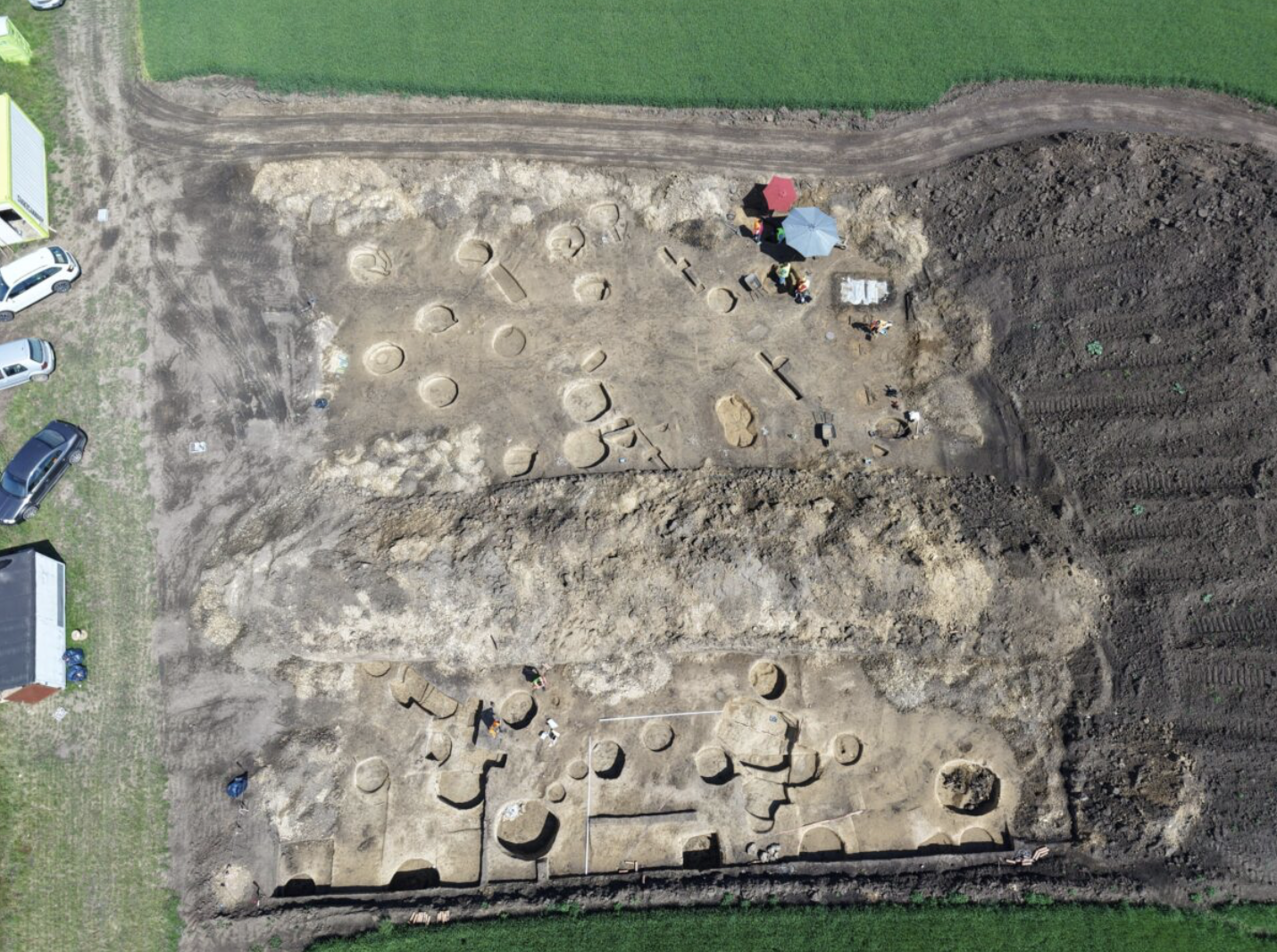
Photo Credit: ACO
The earliest traces of settlement belong to the Věteřov culture. These communities built homes using wooden posts, with walls formed from woven branches coated in clay. When fires destroyed these buildings, the clay hardened, preserving detailed impressions of the original construction.
Excavations uncovered everyday objects such as pottery, beads, spindle whorls, and bone tools. One particularly intriguing find was a bronze pin with a design resembling styles from Cyprus, hinting at long-distance cultural connections even at this early date.
Burials were also found within the settlement, including one grave containing both an adult and a child, consistent with known burial practices of the time.
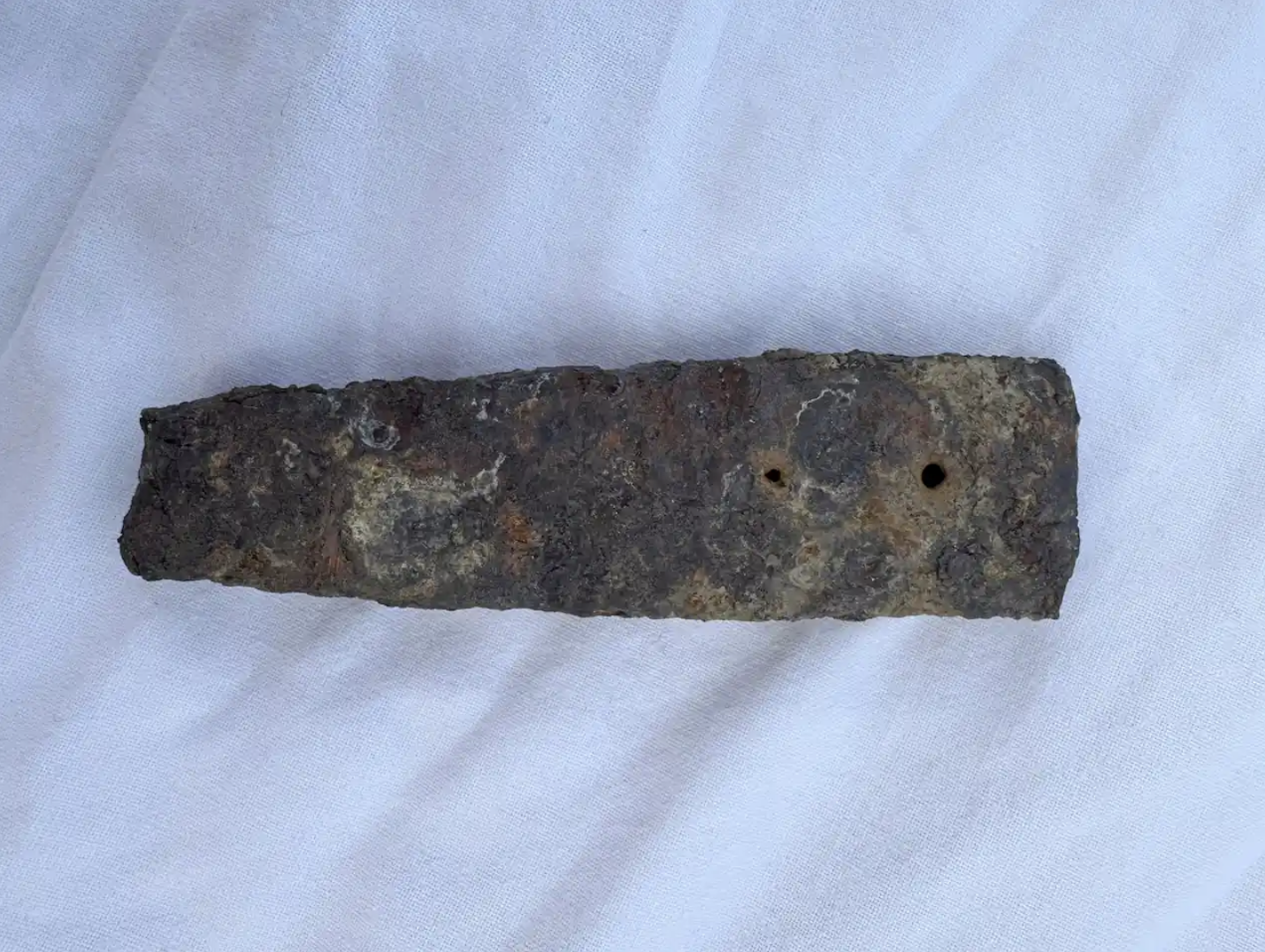
Photo Credit: ACO – Andrea Šindlerová
Later layers from the Urnfield culture revealed a far more puzzling discovery. In one pit, six human skulls had been carefully arranged side by side. This is highly unusual, as Urnfield communities typically cremated their dead. The absence of full skeletons suggests this may have been part of a specific ritual, though its exact meaning remains uncertain. Researchers hope ongoing analysis will provide further clues.
The site also offered clear signs of early industry. Archaeologists found stone moulds and fragments of crucibles used for casting bronze, along with finished items such as axes, needles, and jewellery. These discoveries suggest that metalworking was carried out locally, possibly indicating the presence of a dedicated production area within the settlement.
The most recent layer of the site dates to the Roman era, when the region was inhabited by Germanic groups living beyond the borders of the Roman Empire.
Among the finds was a lime kiln, but the standout object was a metal calibration plate, a tool used to draw metal wires to precise thicknesses. Its series of carefully sized holes allowed craftsmen to refine wires, a crucial step in producing fine metalwork.
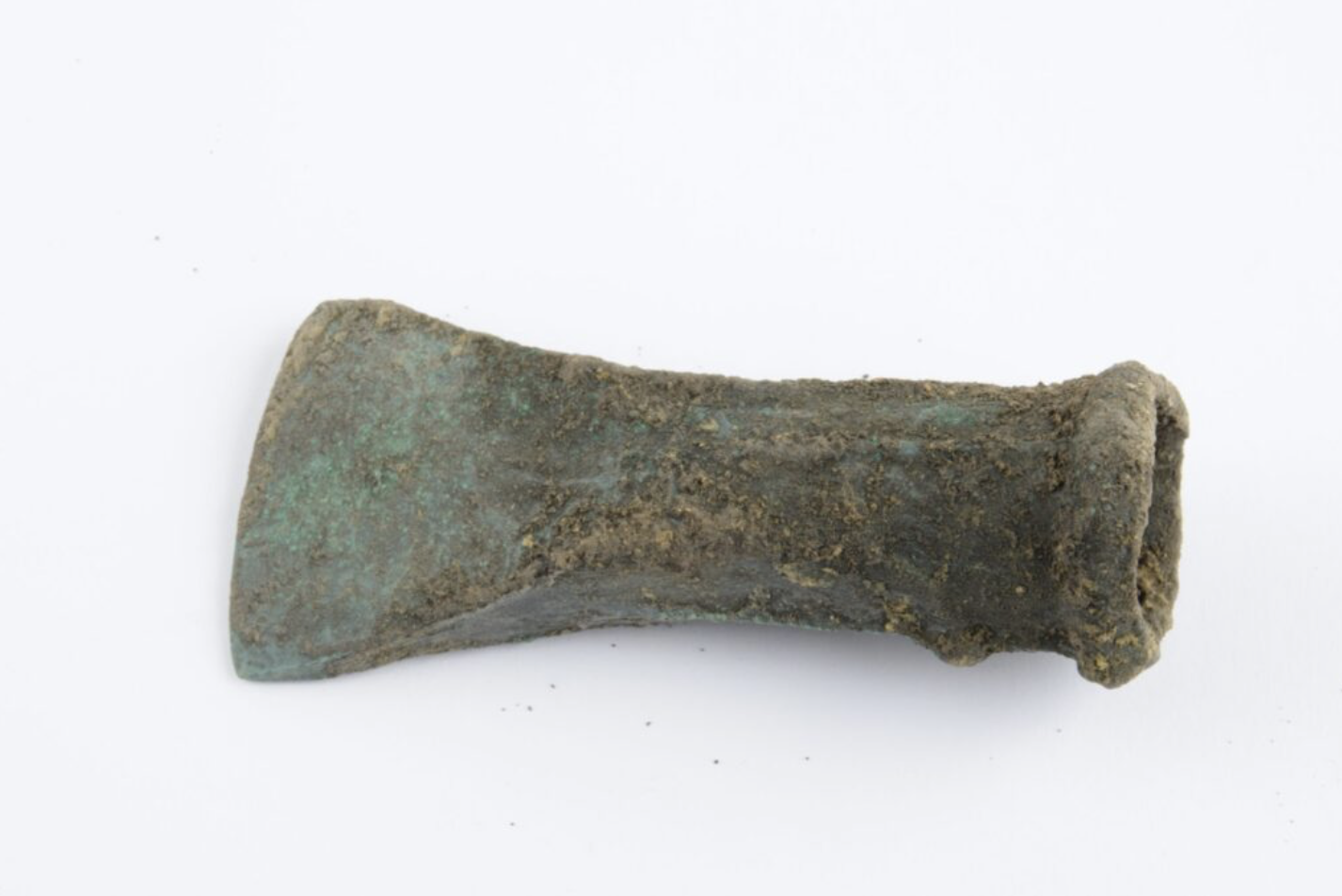
Photo Credit: ACO – Andrea Šindlerová
This technique may have been used to create the interlinked rings of Roman chainmail armour, a key component of a soldier’s protection. If confirmed, this tool could provide rare, direct evidence of how such materials were manufactured and possibly even supplied to the Roman military.
What makes this discovery especially significant is not just the individual artefacts, but the uninterrupted sequence of human activity preserved at the site. Few places in Central Europe offer such a clear timeline, spanning from early farming communities to societies interacting with the Roman world.
The excavation also highlights the importance of rescue archaeology, where construction projects, such as the modernisation of the Brno–Přerov railway, create opportunities to uncover hidden chapters of history.
All the recovered artefacts have now been sent for detailed laboratory analysis. Specialists are examining human remains, studying metal composition, and conducting microscopic tests on the calibration plate.
As results emerge, they may deepen our understanding of ancient technologies, trade networks, and cultural practices.