Roman York Discovery: Babies Buried in Rare Tyrian Purple Cloth!
A remarkable discovery from Roman York is shedding new light on how people at the edge of the Roman Empire lived, traded, and mourned their dead. Archaeologists have found that some infants buried in the city were wrapped in luxurious purple cloth, an extraordinary detail that reveals both wealth and deep emotional care.
Researchers from the University of York uncovered traces of a rare dye known as Tyrian purple in two infant burials dating back to the late third or early fourth century AD. The remains, preserved by the York Museums Trust, provide the first confirmed evidence of this prestigious dye being used on textiles in Roman York, and only a handful of such cases are known across Roman Britain.
These were no ordinary burials. The infants had been wrapped in fine, high-status fabrics typically associated with the Roman elite. One of the textiles even featured gold thread, placing it among the most luxurious materials available at the time.
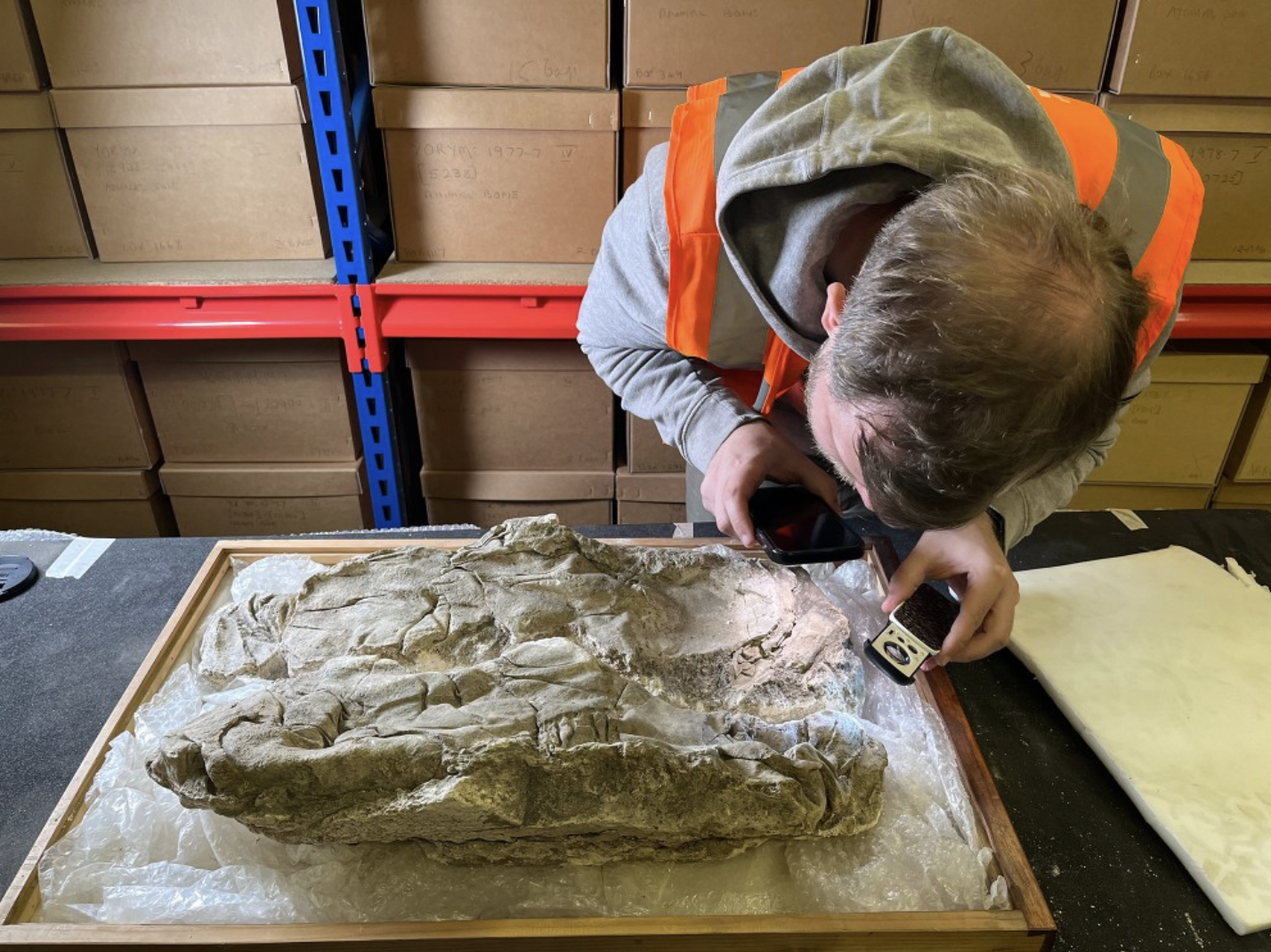
Photo Credit: University of York
Tyrian purple wasn’t just any dye, it was a powerful symbol of status. Produced using sea snails in a painstaking process, it originated from the ancient city of Tyre. Because of how difficult it was to make, the dye became synonymous with wealth, authority, and prestige.
In the Roman world, purple garments were closely linked to emperors, senators, and high-ranking officials. By the time of Diocletian, the dye was so valuable that it was listed at an exceptionally high price in official edicts. Owning or wearing it was a clear sign of elite status.
So finding this material in York, known in Roman times as Eboracum, is significant. It shows that the city wasn’t some distant outpost, but a well-connected hub with access to luxury goods transported across the empire.
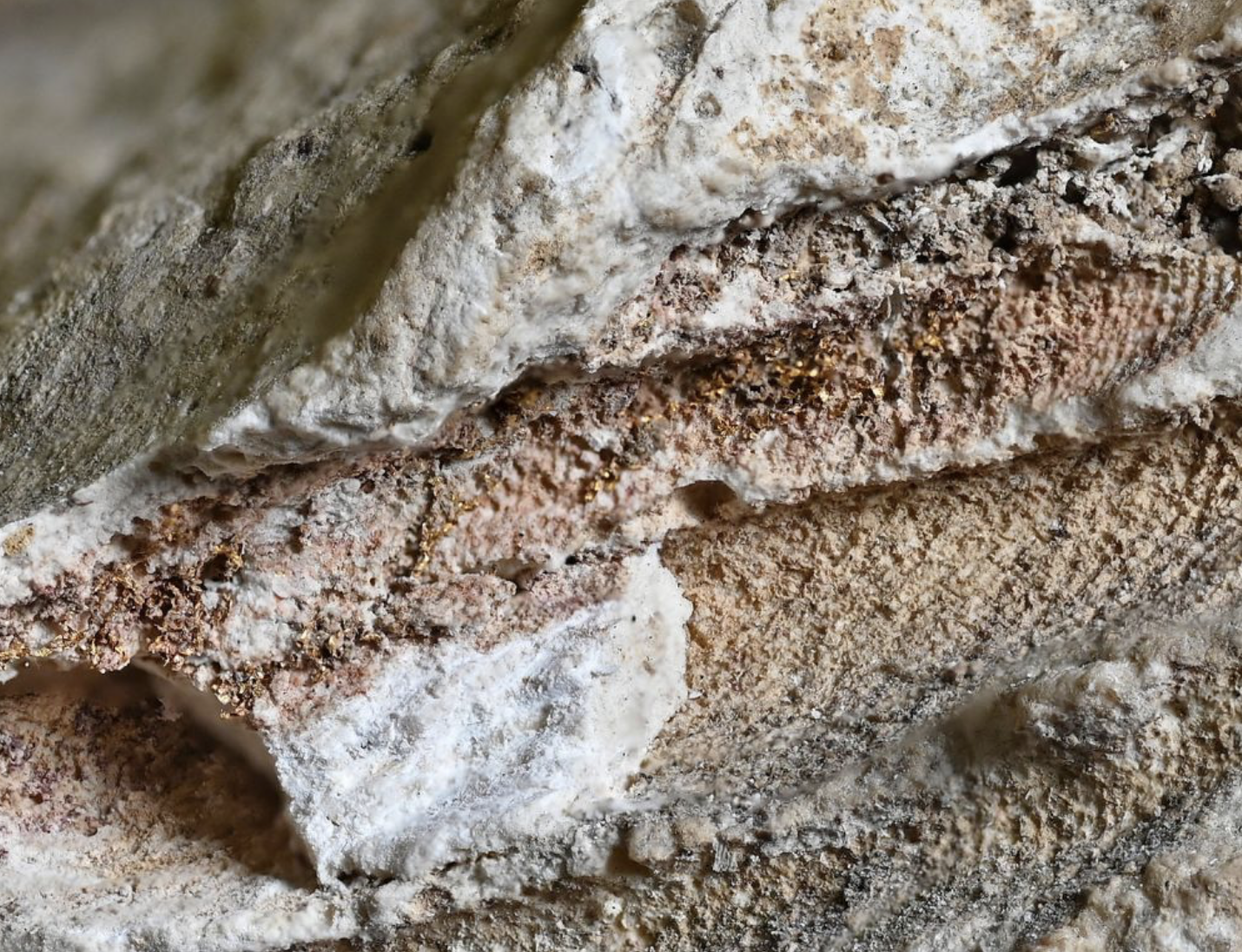
Photo Credit: University of York
What makes this discovery possible is an unusual burial method used in Roman Yorkshire. In some graves, liquid gypsum was poured over the body before it hardened. This process preserved delicate details such as clothing, body outlines, and burial items that would normally decay over time.
This work forms part of the “Seeing the Dead” project, which uses modern scientific techniques and 3D imaging to study ancient burial practices.
One of the burials contained an infant placed alongside two adults in a stone coffin. Another, even more striking, involved a baby laid in a lead coffin. In that case, the child appears to have been wrapped in a tasselled garment and then covered with a fine purple cloth woven with gold thread, likely visible before the coffin was sealed.
Scientific testing detected a chemical marker, 6,6-dibromoindigo, confirming the presence of Tyrian purple, even where the colour had faded beyond recognition.
The care and expense seen in these York burials suggest that these families placed great importance on honouring their children, even in infancy. Wrapping a baby in purple cloth and gold thread wasn’t just about displaying wealth, it was a meaningful gesture, giving the child a send-off usually reserved for people of high rank.
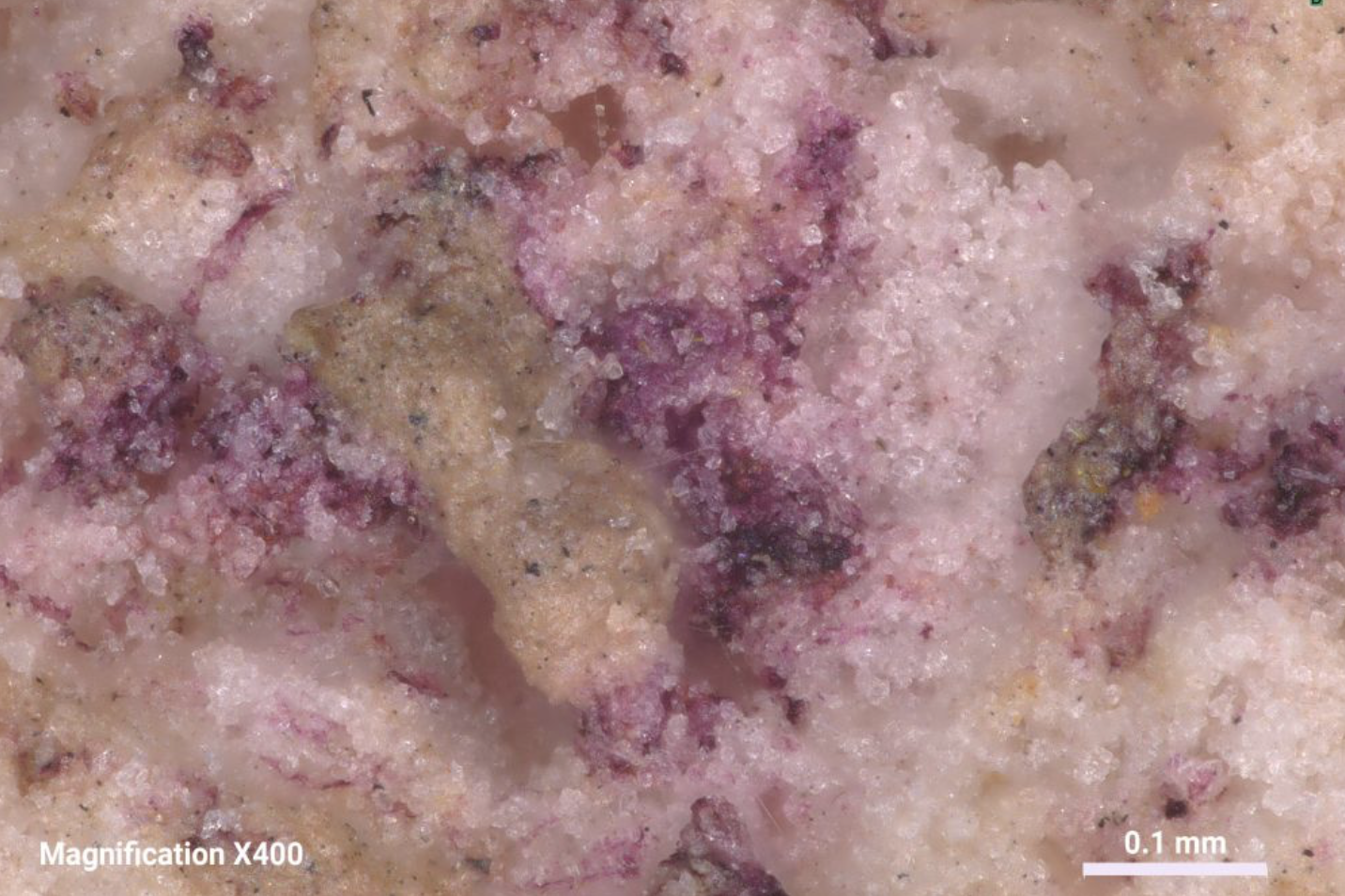
Photo Credit: University of York
Finds like this are extremely uncommon in Britain. One comparable example comes from a high-status burial in Roman London, where silk, gold thread, and possible Tyrian purple were also identified. The York discovery adds to this small but important group, offering new insight into life in late Roman Britain. It shows how elite families used imported goods and carefully arranged burial practices to express identity, status, and perhaps grief.
Ongoing research in York and surrounding areas may uncover more examples, helping historians better understand Roman textiles, trade networks, and personal experiences. For now, these purple-stained remains tell a quiet but powerful story: nearly 1,700 years ago, two infants were laid to rest not only with great wealth, but with clear and deliberate care.