Scientists Turn to AI and Chemistry to Uncover the Origins of the Dead Sea Scrolls!
An ambitious international research project is set to investigate one of the biggest unresolved questions surrounding the Dead Sea Scrolls: where were these remarkable ancient manuscripts actually written and copied?
The five-year initiative, Tracing Scribes and Scrolls, has been awarded a €2.5 million Advanced Grant by the European Research Council. Led by Professor Mladen Popović from the University of Groningen, the project will bring together experts from a wide range of disciplines, including archaeology, biblical studies, chemistry, materials science and artificial intelligence.
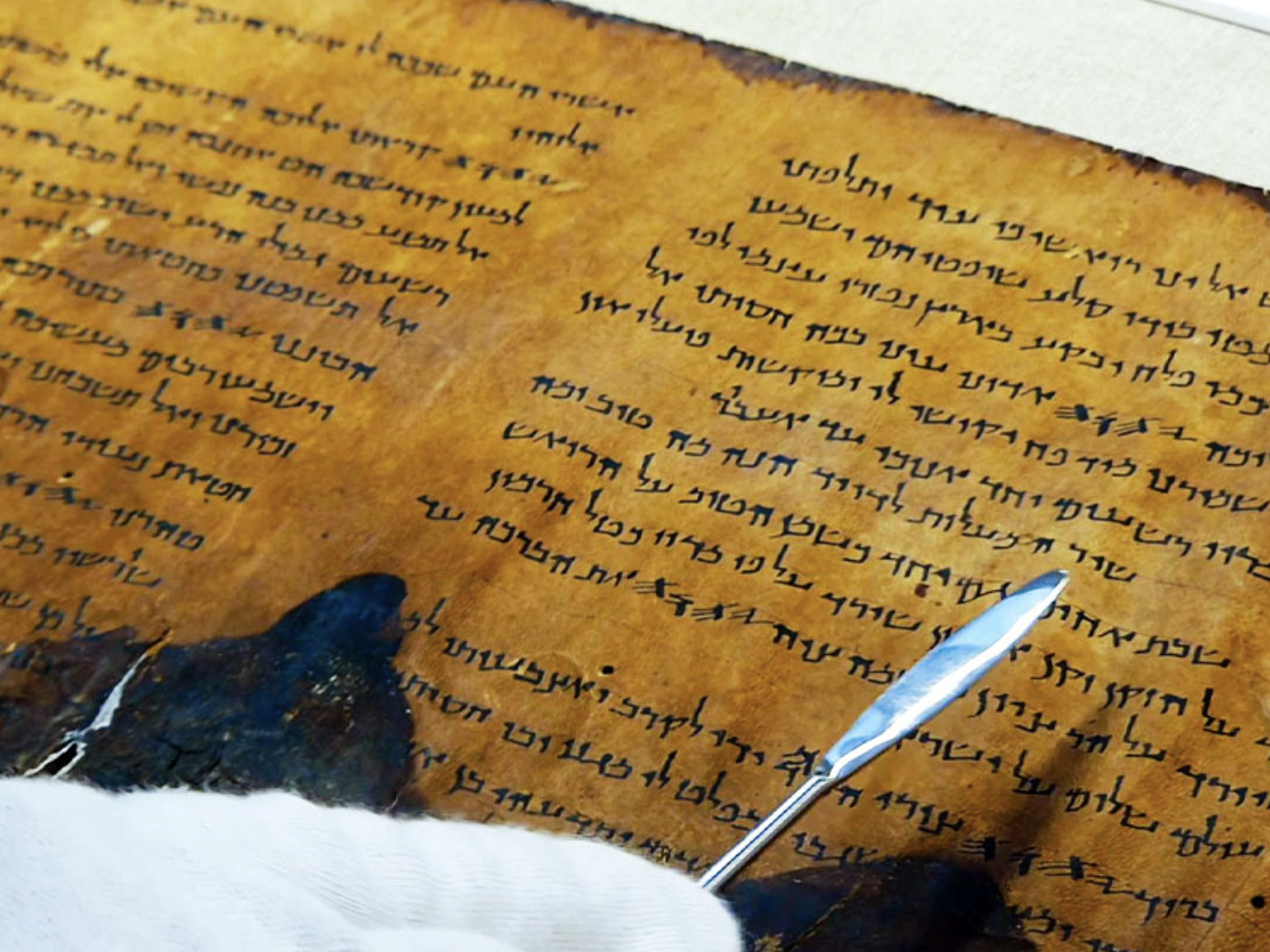
Photo Credit: Yoli Schwartz, Israel Antiquities Authority.
Rather than focusing on translating or interpreting the texts themselves, the researchers will examine the physical characteristics of the manuscripts. By analysing the ink, parchment, papyrus, handwriting and construction techniques, the team hopes to determine where the scrolls originated, who produced them and how they moved across ancient Judea.
Discovered in caves near Qumran, the Dead Sea Scrolls are regarded as one of the most significant archaeological finds of the twentieth century. Dating back more than 2,000 years, they include some of the earliest surviving copies of biblical writings alongside a wealth of Jewish literature from the late Second Temple period. Their importance extends to the study of ancient Judaism, the origins of Christianity and the development of the Hebrew Bible.
Despite decades of research, scholars have never reached a firm conclusion about where many of the manuscripts were produced. Some believe they were copied by a community living near Qumran, while others argue they were brought from established scribal centres elsewhere in Judea, possibly including Jerusalem. Another theory suggests the caves served as a secure storage place for valuable or ageing manuscripts.
The new study aims to examine these competing ideas using scientific techniques that were unavailable to previous generations of researchers. Instead of concentrating solely on the content of the scrolls, the project will investigate the materials from which they were made. Advanced laboratory techniques will allow researchers to study the chemical composition of inks, parchment and papyrus without causing any damage to these fragile artefacts.
The University of Southern Denmark, one of the project's partners, will use non-invasive methods such as X-ray fluorescence (XRF), micro Fourier-transform infrared spectroscopy (µFTIR), micro-Raman spectroscopy (µRaman) and multispectral imaging. These techniques can reveal subtle differences in materials that may point to where individual manuscripts were produced.
Artificial intelligence will play a major role throughout the project. Building on Professor Popović's earlier research programme, The Hands That Wrote the Bible, which used AI to distinguish between different scribes, the new study will expand its focus from identifying handwriting to tracing the origins of entire manuscripts.
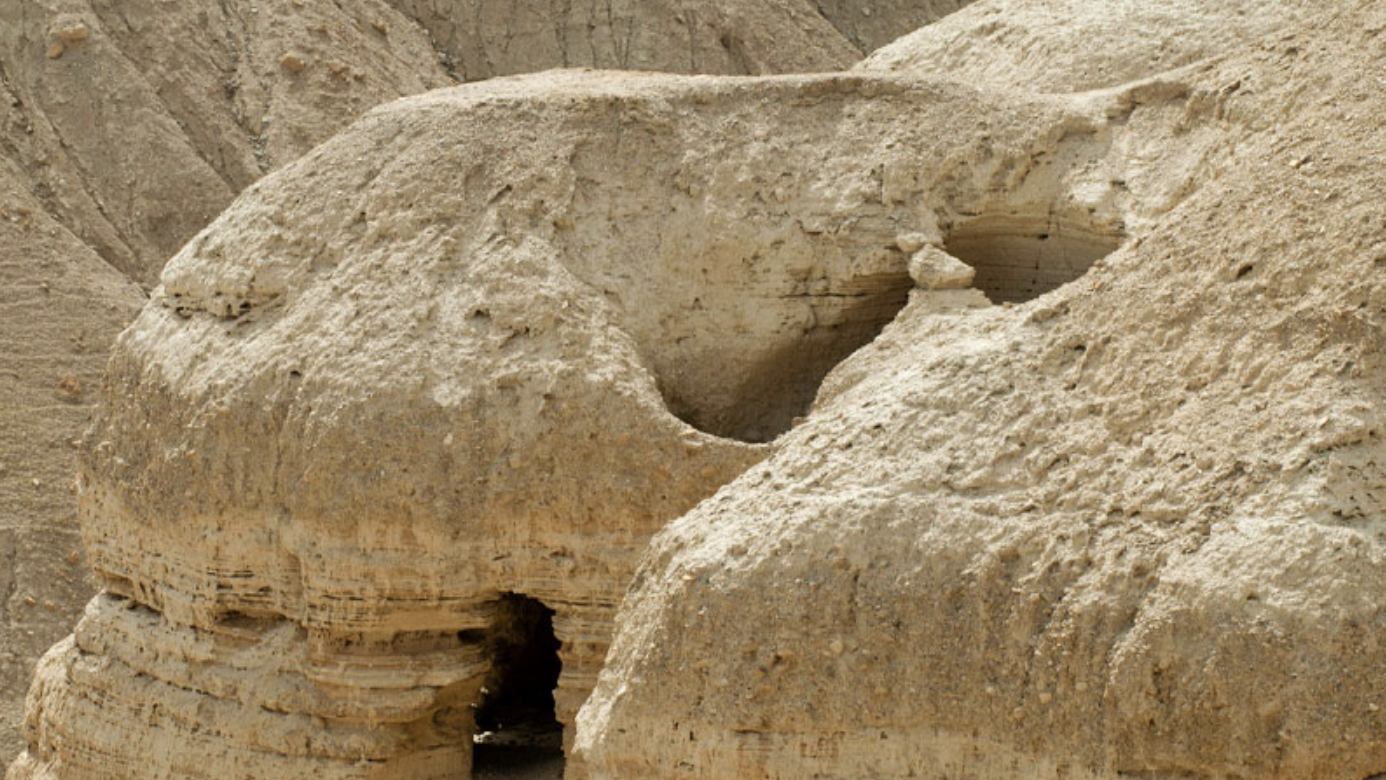
Photo Credit: Shai Halevi, Israel Antiquities Authority
Researcher Maruf Dhali, based at the University of Groningen, will develop AI systems capable of analysing large sets of chemical data. These results will then be compared with handwriting analysis, manuscript construction, language and literary features in the hope of identifying patterns that link scrolls to specific production centres.
The research team expects to examine as many as 250 scrolls during the project. Material samples from the Israel Antiquities Authority's Dead Sea Scrolls collection, including parchment, papyrus and ink, will form a key part of the investigation.
For the first time, papyri from Egypt will also be compared directly with those recovered from Qumran and other sites in the Judean Desert. By identifying regional differences in writing materials and manufacturing techniques, researchers hope to distinguish manuscripts that originated in different locations.
Even if the team cannot identify the precise place where every scroll was created, grouping manuscripts with similar chemical and material characteristics could reveal shared workshops, production traditions or networks of scribes.
The project represents a significant shift in the way the Dead Sea Scrolls are studied. Traditionally, scholars have focused on the texts themselves. This research instead treats the manuscripts as physical objects that preserve evidence of the people who made them.
Every fragment carries clues in its ink, writing surface and craftsmanship. Together, these traces may help researchers reconstruct how religious and literary texts were copied, preserved and circulated across ancient Judea.
Although the study is expected to take five years to complete, it has the potential to transform our understanding of the Dead Sea Scrolls by combining cutting-edge science with traditional humanities research. Whether or not it identifies the exact origins of every manuscript, the project promises to shed new light on the communities and scribes responsible for creating some of history's most important ancient texts.