2,000-Year-Old Warship Linked to Mithridates VI Reveals Ancient Naval Technology!
For more than two millennia, the remains of an ancient warship lay beneath the waters of Phanagoria, one of the major cities of the ancient Black Sea region. Buried beneath layers of sediment, sections of its wooden hull survived alongside copper fastenings, metal fittings and a striking bronze naval ram.
The ram is particularly significant. Its decoration features five-pointed stars and crescents, symbols that have helped archaeologists associate the vessel with the fleet of Mithridates VI Eupator, the powerful king of Pontus and one of Rome’s most determined eastern enemies.
Now, a detailed study of the ship’s surviving metalwork is providing a closer look at the technology behind Mithridates’ naval forces. Rather than focusing solely on the political and military history surrounding the king, researchers have examined the materials used to construct, reinforce and maintain one of the vessels operating within his sphere.
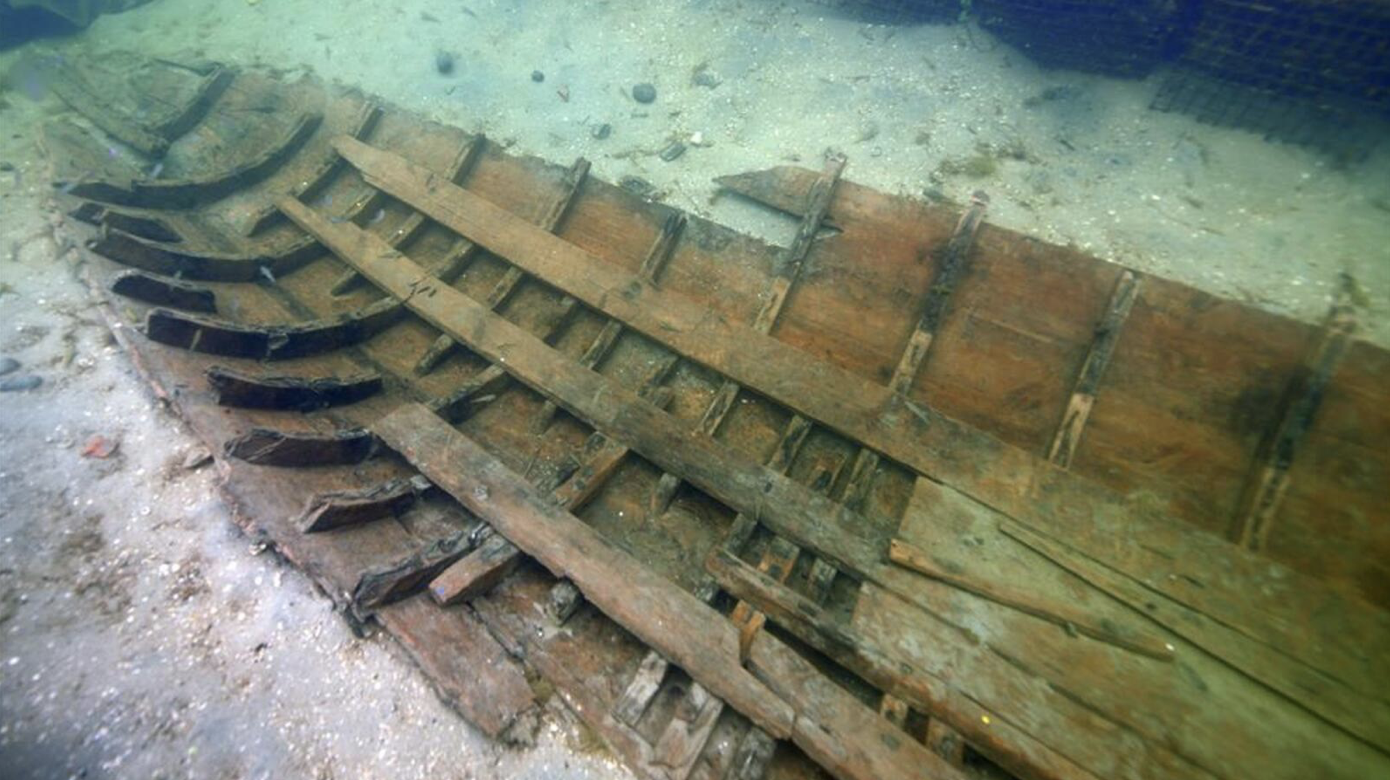
Photo Credit: Institute of Archaeology, Russian Academy of Sciences.
The results reveal a sophisticated approach to shipbuilding. Copper and copper alloys were used for fastenings, lead appears to have strengthened vulnerable sections of the hull, protective substances helped shield the timber, and the bronze ram was manufactured from an alloy suited to the considerable stresses placed upon it.
Together, these discoveries provide a rare glimpse into the practical engineering that supported naval warfare in the Black Sea during the turbulent first century BCE.
The remains of the vessel were identified in the harbour of Phanagoria during underwater excavations in 2012. Around 16 metres of the lower part of the hull survived, buried beneath more than 1.5 metres of sediment.
Enough of the structure remained for archaeologists to identify features characteristic of a Hellenistic warship. Scientific dating provided further evidence for its chronology, with radiocarbon analysis placing the surviving timber around the middle of the first century BCE.
The bronze ram offered another important clue. Its distinctive symbols correspond to imagery associated with Mithridates VI Eupator, providing a connection between the archaeological remains and the king's naval forces.
Researchers subsequently sent samples from the ship to the Kurchatov Institute for detailed analysis of their composition and manufacturing characteristics.
The wreck has also been connected with the destruction that took place at Phanagoria in 63 BCE. According to the Institute of Archaeology of the Russian Academy of Sciences, a vessel belonging to Mithridates’ fleet was destroyed by fire approximately 120 metres from the shoreline during an uprising against the king.
Archaeological excavations at Phanagoria have uncovered evidence of destruction associated with the revolt, including remains from a residence linked to Mithridates. The ship therefore provides physical evidence for a much wider episode of political and military upheaval.
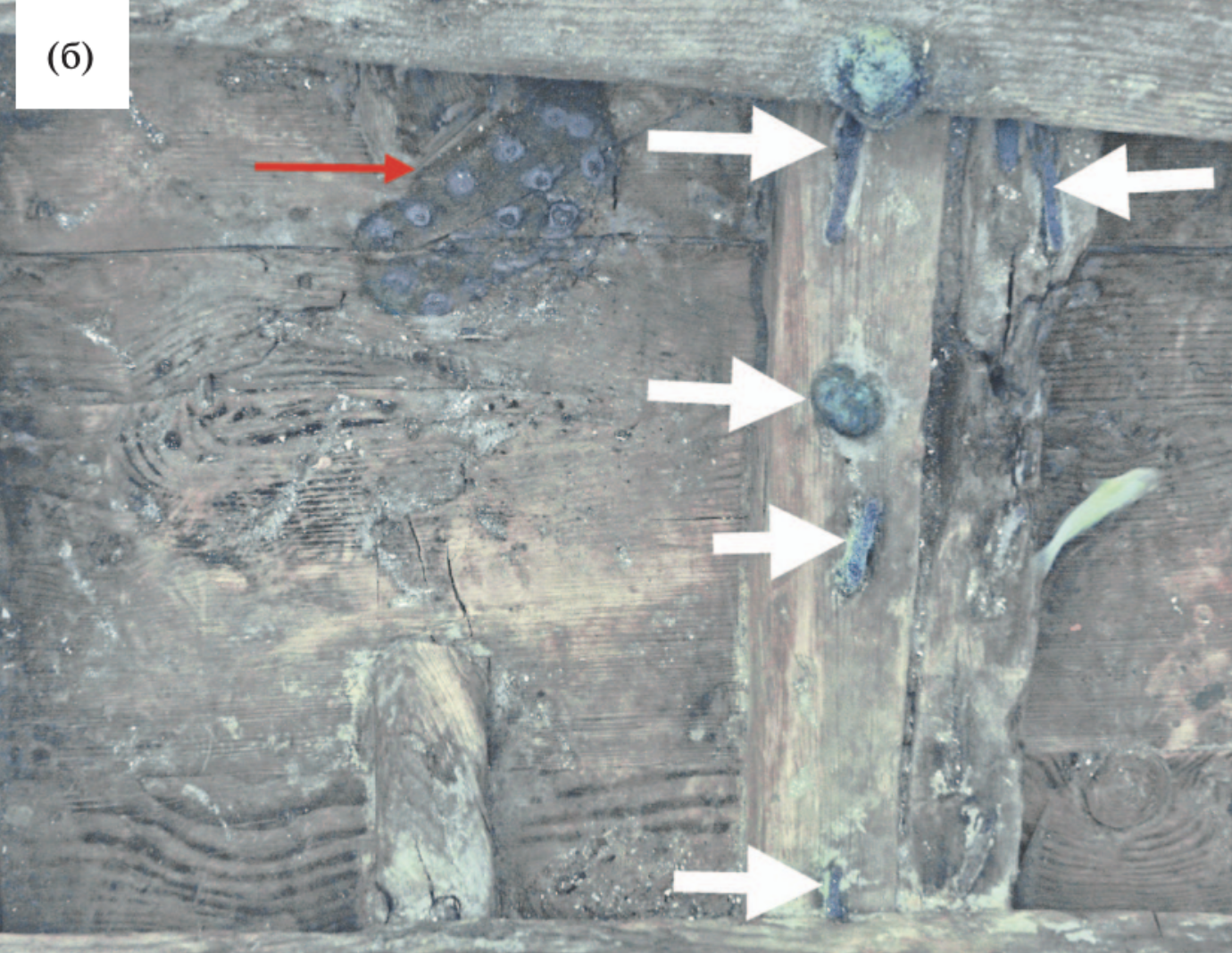
Photo Credit: Greshnikov et al. (2026).
By the first century BCE, Mithridates VI had become one of Rome’s most persistent opponents. The king of Pontus entered into open conflict with Rome in 88 BCE following years of tension surrounding Roman intervention in Anatolia. What followed was a series of three conflicts known as the Mithridatic Wars, drawing prominent Roman commanders including Sulla, Lucullus and Pompey into the struggle.
Mithridates initially achieved considerable success. His forces seized large parts of the Roman province of Asia and the conflict spread into the Aegean. Naval power was an important part of his strategy, with his forces using both merchant vessels and warships in operations against Rome and its allies.
Ancient sources also preserve accounts of the violence associated with the conflict. Appian describes orders attributed to Mithridates for Romans and Italians living in Asia to be killed, an episode that became infamous in Roman accounts of his reign. At Ephesus, for example, people who had taken refuge in the Temple of Artemis were reportedly dragged away and killed.
The exact figures given by ancient writers are difficult to establish and should be treated cautiously, but the episode contributed heavily to Mithridates’ reputation as a formidable enemy of Rome.
The Phanagoria wreck offers a different perspective on this period. Instead of a literary account written centuries later, it preserves the physical remains of the infrastructure that supported Mithridates’ military campaigns.
Researchers examined 23 metal objects recovered from the wreck, including 22 nails or fragments of nails and a small piece of sheet metal containing a nail hole. The bronze ram was analysed separately.
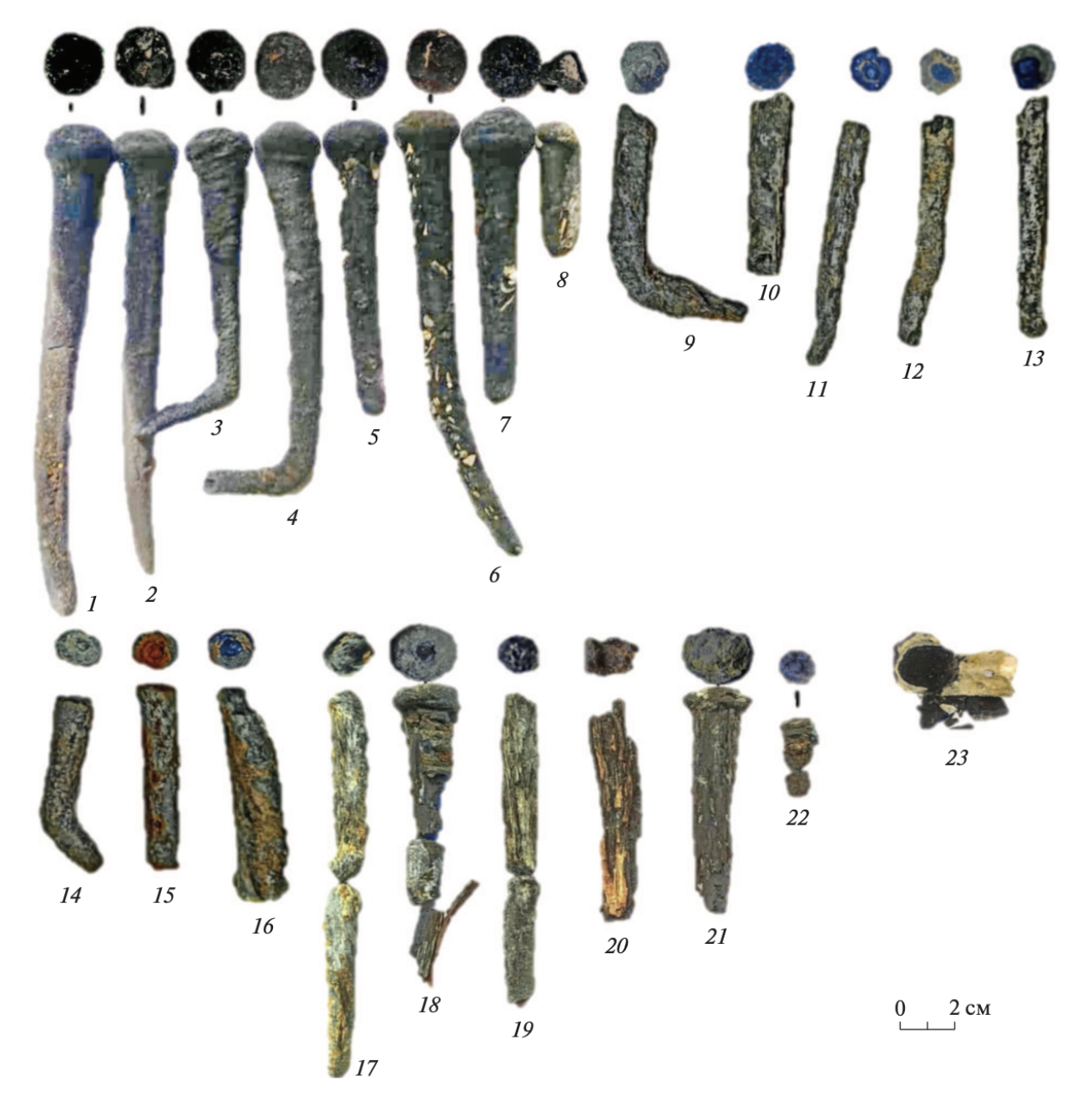
Photo Credit: Greshnikov et al. (2026).
The surviving nails ranged in size, with the largest measuring approximately 14 centimetres and the smallest around 8 centimetres. Their shafts narrowed towards their points, although centuries of corrosion had substantially altered their original appearance.
To investigate the objects, the researchers used several analytical techniques, including scanning electron microscopy, energy-dispersive X-ray microanalysis, X-ray fluorescence, X-ray diffraction and neutron analysis.
These methods allowed the team to distinguish original metal from corrosion products and identify elements present in the alloys. The results revealed that the nails were not all manufactured from precisely the same material.
One particularly interesting example demonstrated just how much corrosion can distort archaeological metalwork. Neutron analysis indicated that corrosion had increased the apparent diameter of one nail to almost three times its original size. Its original shaft was calculated to have been approximately 0.34 centimetres across, matching closely with a hole preserved in a lead plate from the vessel.
The analysis identified two broad categories of nails. Some were made primarily from copper, while others contained mixtures of copper with additional metals.
The researchers identified combinations that may correspond to copper-lead-antimony, copper-antimony, copper-lead and copper-zinc-antimony alloys. However, because only small samples were available, the exact composition of some of the materials remains uncertain.
Trace quantities of elements including nickel, cobalt, iron and silver may also provide clues about the origins and history of the metal. Some could have been introduced naturally through the ores used by the metalworkers, while others may have survived from earlier cycles of melting and reuse.
This raises the possibility that the ship's metalwork preserves evidence of ancient workshop practices as well as deliberate metallurgical choices.
One of the most interesting aspects is the continued use of copper despite the availability of iron. Iron fastenings could provide a cheaper alternative, yet copper and copper alloys were selected for the vessel.
The researchers suggest that this may have been connected to the demands of long-term use. The choice of materials, combined with evidence for repairs and reinforcement, points towards a vessel that was expected to remain operational rather than one constructed simply for a short-lived campaign.
Another piece of metalwork examined during the study was a small grey sheet, which proved to be largely composed of oxidised lead. Its shape suggests that it may have been used to cover or reinforce part of the hull, potentially protecting an area around a nail. Lead had a number of uses in ancient shipbuilding, including reinforcing damaged areas and, in some cases, covering the underside of vessels to protect timber from marine organisms such as shipworms.
However, there is no evidence that the Phanagoria vessel had been completely covered in lead sheathing. Instead, previous research has identified traces of a protective treatment involving realgar, resin and wax. The evidence suggests that different techniques may have been employed for different purposes: chemical coatings protected exposed timber, while lead plates were used selectively to strengthen vulnerable parts of the structure.
This provides an interesting insight into how ancient ships could be maintained. Rather than relying on one protective system, shipwrights could repair individual areas, reinforce joints and treat exposed wood as necessary throughout a vessel’s working life.
The ship's bronze ram is arguably its most spectacular surviving component. Measuring approximately 89 centimetres long and 44 centimetres high, the object weighs around 15.6 kilograms. Its surface carries the five-pointed stars and crescents that helped researchers connect the vessel with Mithridates VI.
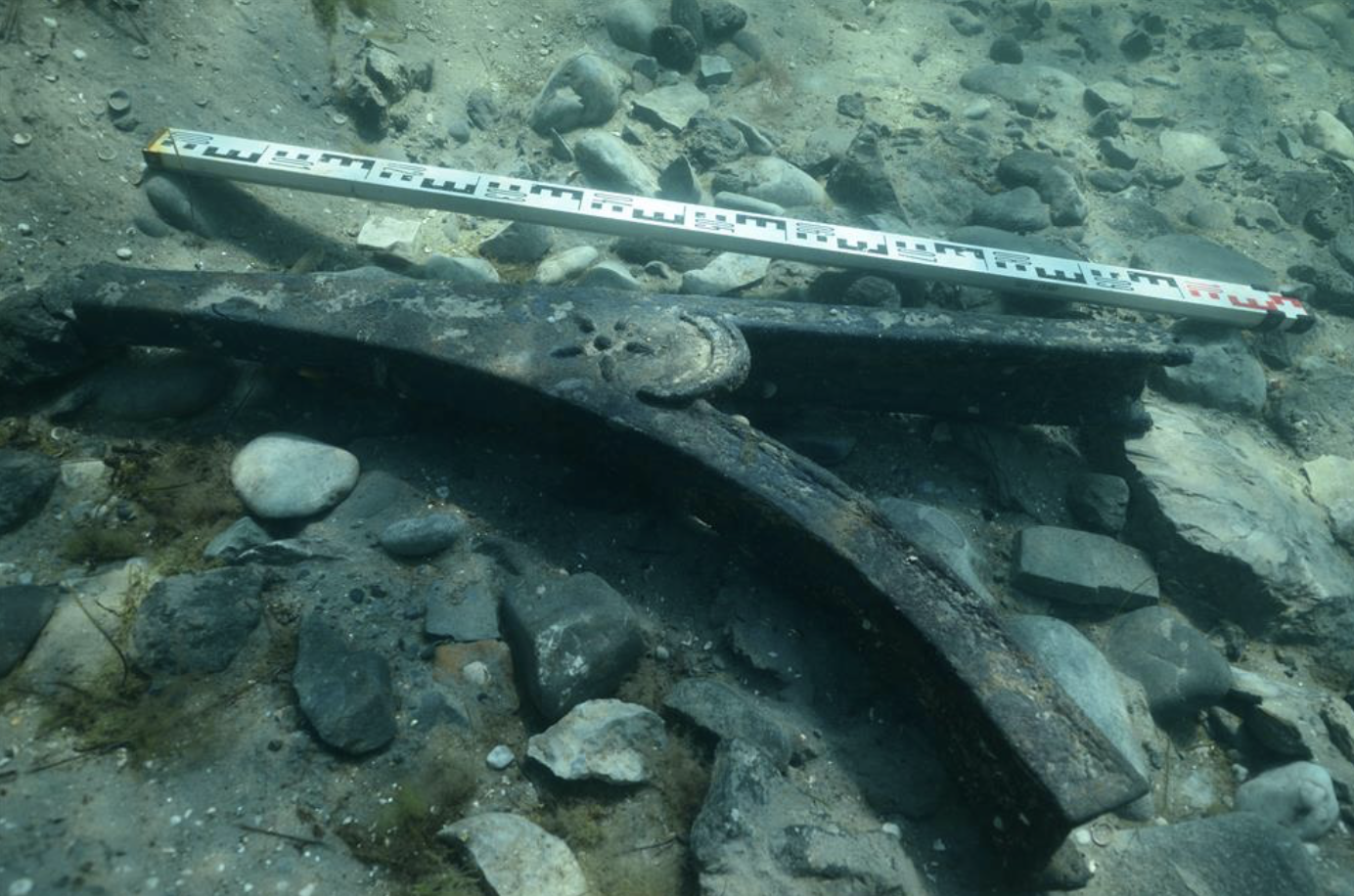
Photo Credit: Institute of Archaeology, Russian Academy of Sciences.
Scientific analysis has revealed that the ram contains approximately 91 per cent copper, 4.7 per cent tin and 4.3 per cent lead. This composition produced a tin-lead bronze with properties suitable for casting while also providing resistance to wear.
Its composition supports the interpretation that the ram was a functional piece of naval equipment rather than simply decorative. Naval rams were subjected to significant forces when ships collided, and their construction needed to withstand repeated impacts while also protecting the front of the vessel. The alloy identified at Phanagoria would have provided suitable properties for such a demanding role.
The survival of both the ram and a substantial section of the wooden ship makes the discovery particularly valuable. Archaeologists can examine the metal component alongside the vessel it once belonged to, providing a much clearer picture of how these pieces worked together.
The Phanagoria wreck cannot necessarily be treated as representative of every vessel that served Mithridates or the wider Bosporan Kingdom. Nevertheless, it provides an unusually detailed case study of shipbuilding and maintenance in the Black Sea during the first century BCE.
The evidence suggests that considerable effort went into keeping the vessel functional. Copper fastenings, selective lead reinforcement, protective coatings and repairs all point towards a maintenance regime designed to extend the ship’s working life.
The use of copper was particularly significant. Although more expensive than iron, it offered different advantages in a marine environment, while the variety of alloys found among the nails demonstrates that ancient metalworkers were working with a range of materials and techniques.
The researchers argue that the evidence may reflect a wider emphasis within the Bosporan Kingdom on maintaining an effective naval force. Durable construction and repeated repairs could allow ships to remain in service for extended periods, potentially for decades.
For historians, the wreck therefore offers something that written sources cannot. Ancient authors tell us about Mithridates’ wars, ambitions and conflicts with Rome, but the remains at Phanagoria reveal the practical work required to wage those wars.
Beneath the Black Sea, the ship preserves evidence of the craftsmen who shaped its metalwork, the shipwrights who assembled its hull and the crews and repair workers who kept it operational. More than 2,000 years later, those materials provide a rare glimpse into the technology that supported one of the most prolonged challenges Rome faced in the eastern Mediterranean and Black Sea worlds.