Ancient Egyptian Mummy Found with Hidden Iliad Text and Golden Tongues!
Archaeologists working at the ancient Egyptian site of Oxyrhynchus, in the Minya Governorate, have uncovered a fascinating Roman-era burial site that blends unusual funerary practices with an extraordinary literary surprise. Among the finds is a fragment of Homer’s Iliad hidden inside a mummy, an exceptionally rare discovery.
The excavation, carried out by a joint Spanish-Egyptian team from the University of Barcelona and the Institute of the Ancient Near East, has revealed a necropolis filled with intriguing artefacts, including mummies fitted with golden tongue amulets. Egyptian authorities have already described the discovery as one of the most important in the region in recent years.
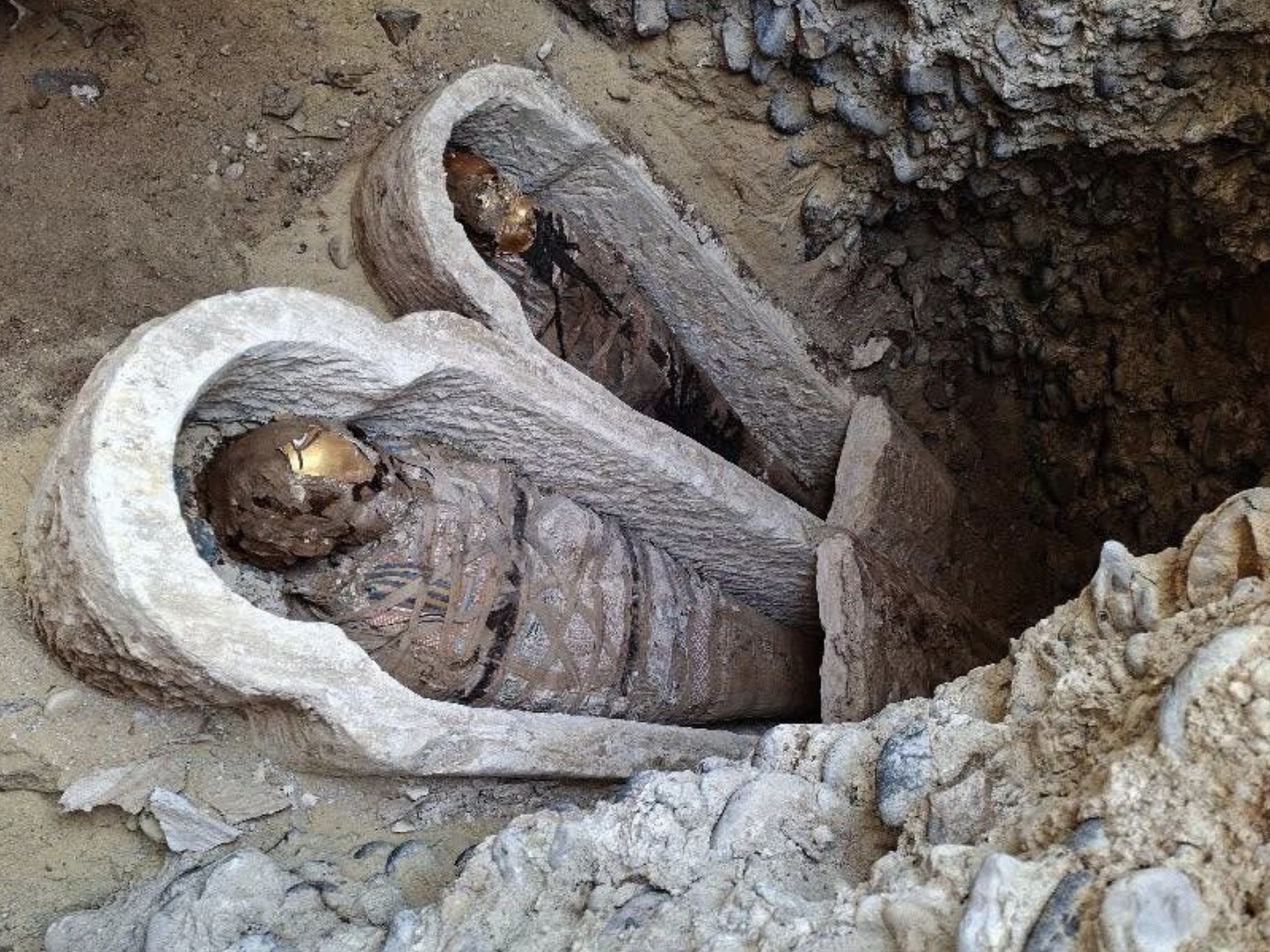
Photo Credit: Egypt’s Ministry of Tourism and Antiquities
The tomb complex dates back to the Roman period and sits close to an earlier Ptolemaic burial known as Tomb 67. Archaeologists uncovered three limestone burial chambers, though these had suffered significant damage over time due to age and looting.
Inside, they found evidence of burial practices that are quite unusual for Egypt. Large ceramic containers held cremated human remains, something rarely seen in Egyptian archaeology, alongside the bones of infants and even cats, all carefully wrapped in textiles. This suggests a blending of traditions, where cremation was combined with more familiar burial customs.
Nearby discoveries included terracotta and bronze figurines, such as representations of the god Harpocrates and a small statue of Cupid. These objects point to a strong mix of Egyptian, Greek and Roman beliefs, highlighting just how culturally diverse the region had become during this period.
Another burial chamber, known as Tomb 65, revealed several Roman-era mummies wrapped in patterned linen and placed in painted wooden coffins. Among the most striking items found here were three golden tongues and one made of copper, placed inside the mouths of the deceased.
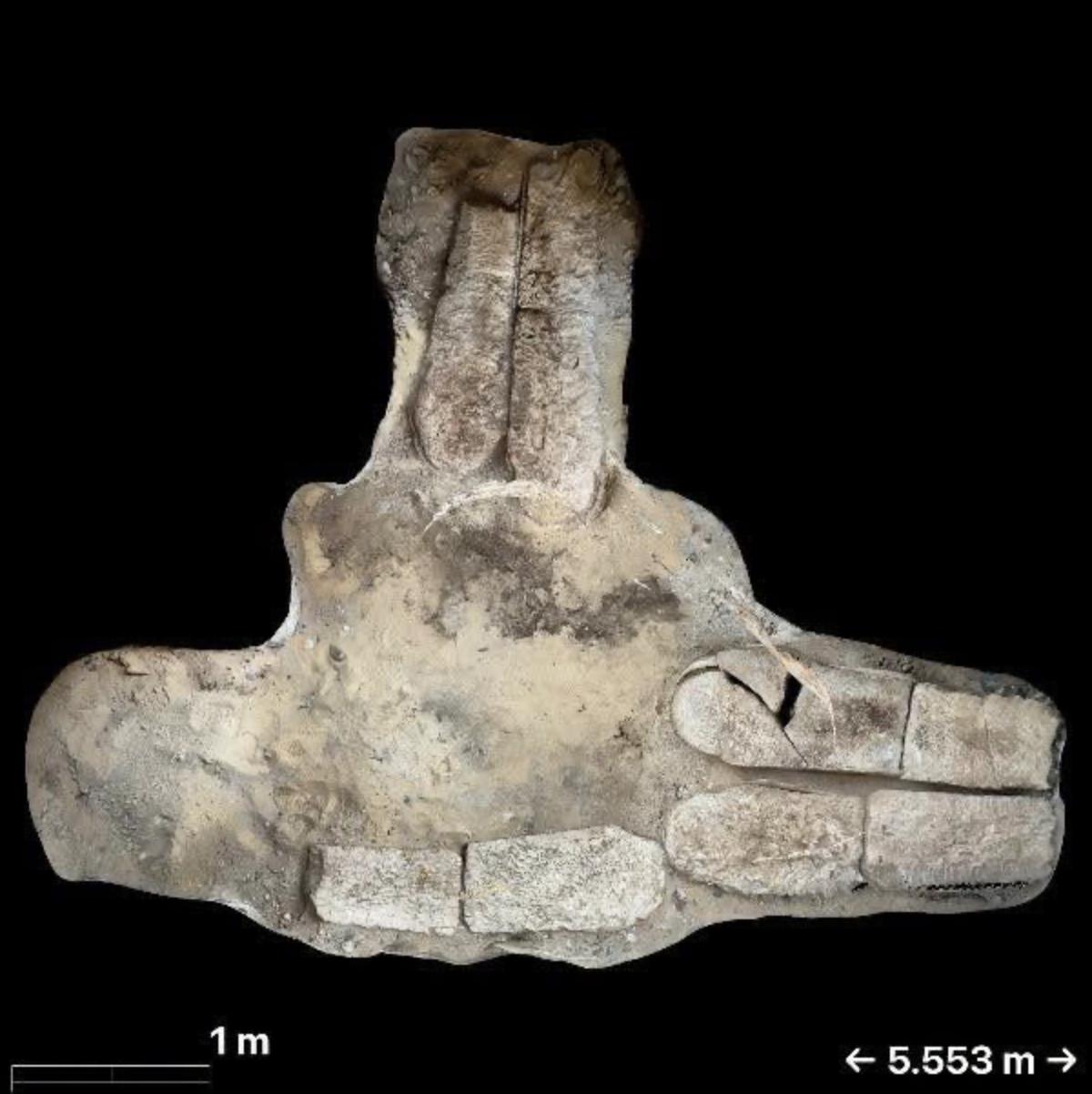
Photo Credit: Egypt’s Ministry of Tourism and Antiquities
These amulets were believed to help the dead speak in the afterlife, particularly when facing judgment before Osiris, the Egyptian god of the underworld. While this practice has been seen before, its presence here, along with traces of gold leaf on some mummies, suggests that those buried in this tomb were likely members of a wealthy or elite class.
Perhaps the most captivating find of all was discovered within one of the mummies: a fragment of papyrus containing part of Book II of Homer’s Iliad. The passage comes from the well-known “Catalogue of Ships”, which lists the Greek forces that sailed to Troy.
Finding a Greek literary text inside a mummy is extremely rare and raises some intriguing questions. Was it included as a sign of education or status? Did it reflect the individual’s cultural identity? Or might it have held some deeper symbolic or ritual meaning?
Experts suggest this discovery reveals how strongly Greek culture influenced the local elite, not just in daily life but also in intellectual and literary traditions.
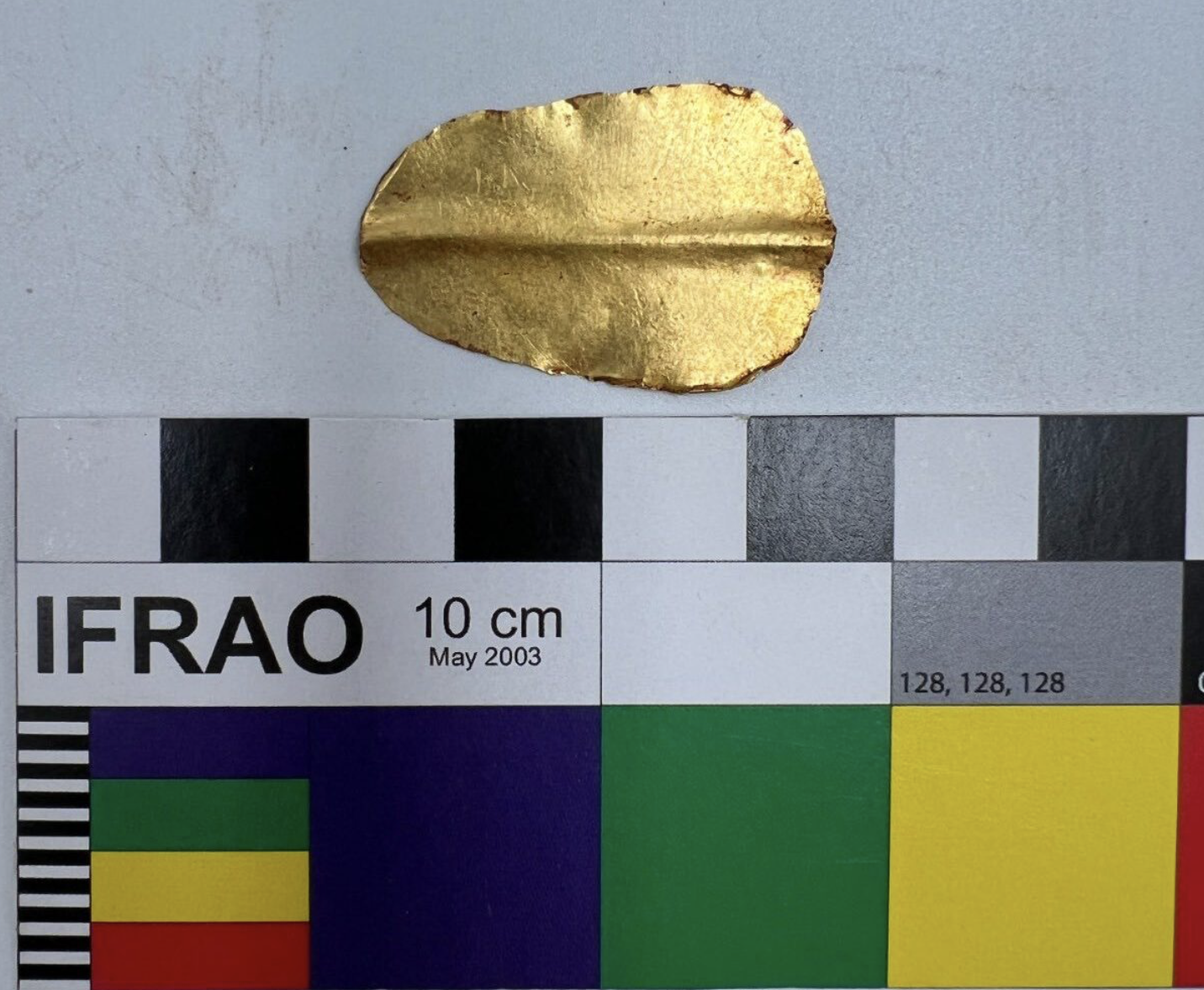
Photo Credit: Egypt’s Ministry of Tourism and Antiquities
Oxyrhynchus is already famous for the huge number of papyri uncovered there since the late 19th century. These texts include everything from official records to literary works, though most were found in ancient rubbish heaps rather than burial sites.
This makes the Iliad fragment particularly significant. Its placement inside a mummy suggests it was deliberately chosen, possibly linking literature with ideas about identity or the afterlife.
Further study of the papyrus may shed light on literacy levels, education and how Greek texts circulated in Roman Egypt, especially outside major centres like Alexandria.
The artefacts from the site, including the papyrus, are now being carefully preserved and analysed. Researchers will use advanced imaging techniques to better understand the text and its context.
Altogether, the discovery paints a vivid picture of a society in transition. The mix of cremation, traditional mummification, golden amulets and Greek literature reflects a period where cultures overlapped and influenced one another in complex ways.
What makes this discovery so compelling is how it connects different civilisations. The presence of Homer’s Iliad in an Egyptian tomb shows just how far Greek literature had spread, while the continued use of traditional Egyptian burial practices highlights a strong sense of cultural continuity.
Rather than replacing one another, these traditions coexisted and blended together. The result is a powerful reminder that the ancient world was far more interconnected than we often imagine.