Ancient Marble Game Board Found in Turkey Reveals How People Once Spent Their Free Time!
Archaeological discoveries often focus on grand temples, military defences, or political power, but sometimes the smallest finds tell the most personal stories. A recently studied marble game board uncovered in north-western Turkey is doing exactly that, offering a fascinating look at how people in an ancient lakeside city may have relaxed and socialised centuries ago.
The object was discovered at the site of Apollonia ad Rhyndacum, near present-day Gölyazı by Lake Uluabat in Bursa. What first appeared to be an ordinary reused block of stone embedded within an old city wall has now been identified as a board for Nine Men’s Morris, a strategic game that was played widely across the ancient world.
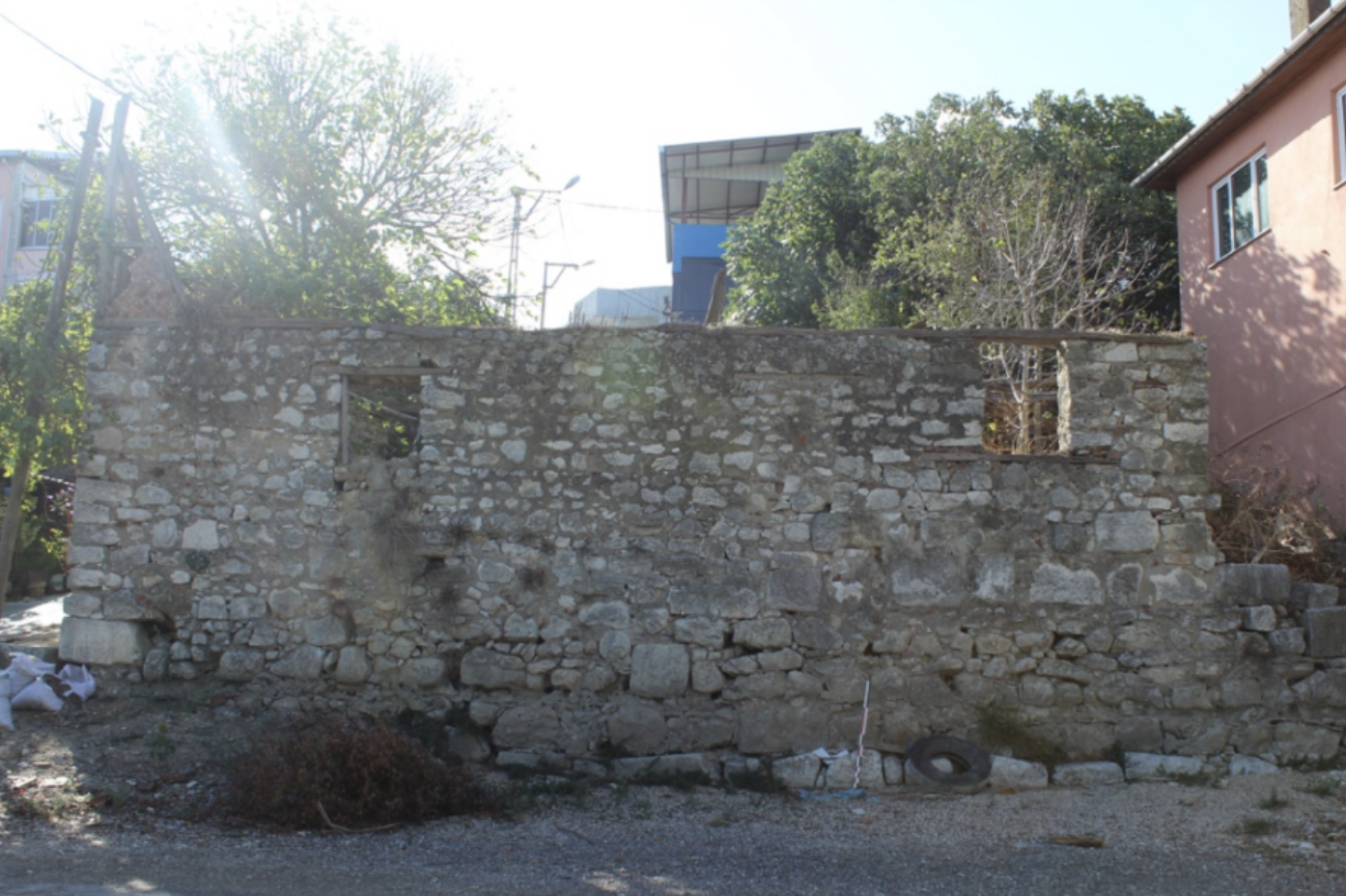
Photo Credit: Gülsefa, G. (2026)
Interestingly, the marble slab was not originally part of the city’s fortifications. Researchers found it built into the lower section of a defensive wall, suggesting it had been repurposed from an earlier setting. This practice, known as reusing older architectural material, was common in antiquity, especially when settlements adapted or were rebuilt over time.
Despite its later use as construction material, the surface of the stone tells another story. While the sides and lower sections appear roughly worked, the upper face had been carefully smoothed and polished, indicating that it had once been prepared for a specific purpose. Carved into this polished surface is a geometric pattern made up of linked squares, immediately recognisable as a Nine Men’s Morris board.
Although part of the carving has worn away with time, enough survives to confirm its original design. The markings were clearly intentional rather than decorative scratches, showing that the stone had once been used for gameplay rather than architecture.
The city where the board was found occupied a striking position between mountains and water. Apollonia ad Rhyndacum stood on the shores of what is now Lake Uluabat, in an area surrounded by landscapes that shaped both daily life and trade. Much like modern Gölyazı, the ancient settlement stretched across narrow peninsulas reaching into the lake, with rising waters occasionally cutting sections off like islands.
Historical evidence suggests the settlement was once home to theatres, temples, sporting spaces, and fortified areas designed to protect key parts of the city. This wider urban setting gives the game board extra significance. Rather than existing as an isolated object, it formed part of a busy and developed community where people gathered not only for commerce and politics but also for recreation.
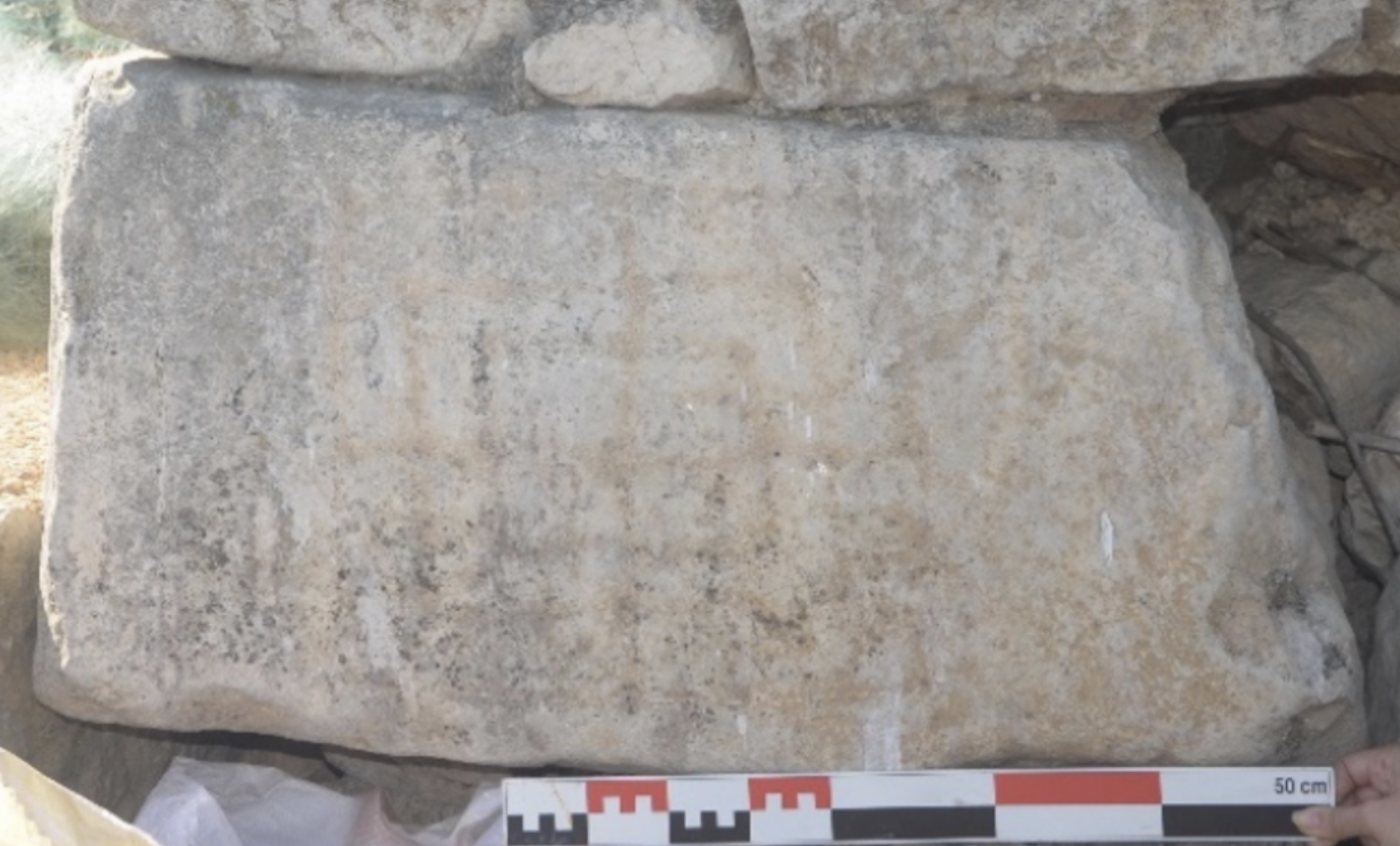
Photo Credit: Gülsefa, G. (2026)
Unlike many ancient games that depended heavily on luck, Nine Men’s Morris centred on strategy. Played between two opponents, the aim was to arrange pieces into rows of three, often called “mills”, while blocking an opponent’s moves. Forming these rows allowed players to remove opposing pieces, turning the game into a contest of patience, foresight, and tactical thinking.
The discovery therefore offers more than evidence of entertainment. It hints at ordinary moments of interaction that are rarely preserved in historical records. It is easy to imagine residents pausing during the day to compete over a carved stone surface, testing one another’s judgement and skill.
The game itself travelled widely across cultures and centuries. Known under different names such as Merels or The Mill Game, it appeared in various forms using different numbers of playing pieces. Archaeologists have uncovered comparable examples throughout Anatolia, including sites such as Gordion, Pergamon, and Aphrodisias, helping to show how widespread the pastime once was.
Its reach extended far beyond the Mediterranean as well. One notable example emerged from a Viking burial in Norway, highlighting just how enduring and geographically widespread this deceptively simple game became over time.
For historians and archaeologists, the marble board at Apollonia ad Rhyndacum represents something deeply human. Ancient cities are often remembered through warfare, rulers, monuments, and religion, yet everyday leisure is far more difficult to trace. Objects like this remind us that life in the ancient world also included moments of amusement, competition, and conversation.
Perhaps most remarkable is the object’s second life. What was once used for play eventually became part of a defensive wall, absorbed into the changing architecture of the city. Even so, the carved design remained visible enough to survive the centuries, preserving a quiet reminder of the people who once sat around it.
In the end, the discovery highlights an important truth about the ancient world: people were not so different from us. Alongside trade, politics, and survival, there was still time for games, strategy, and shared moments of entertainment.