Monumental Tomb Found in Ancient Olympos May Belong to Elite Roman Woman!
Archaeologists excavating the ancient city of Olympos on Türkiye’s Mediterranean coastline have uncovered an impressive tomb believed to have belonged to a wealthy aristocratic woman, offering fresh insight into status, burial traditions, and social hierarchy in one of ancient Lycia’s most important settlements.
The remarkable discovery was made near the harbour district of Olympos in Antalya’s Kumluca region, where researchers identified a previously unknown monumental burial chamber standing roughly 10 metres tall. Hidden within the vaulted structure was an elaborately carved marble sarcophagus decorated with symbolic figures and detailed hunting imagery, suggesting its occupant held considerable importance in society.
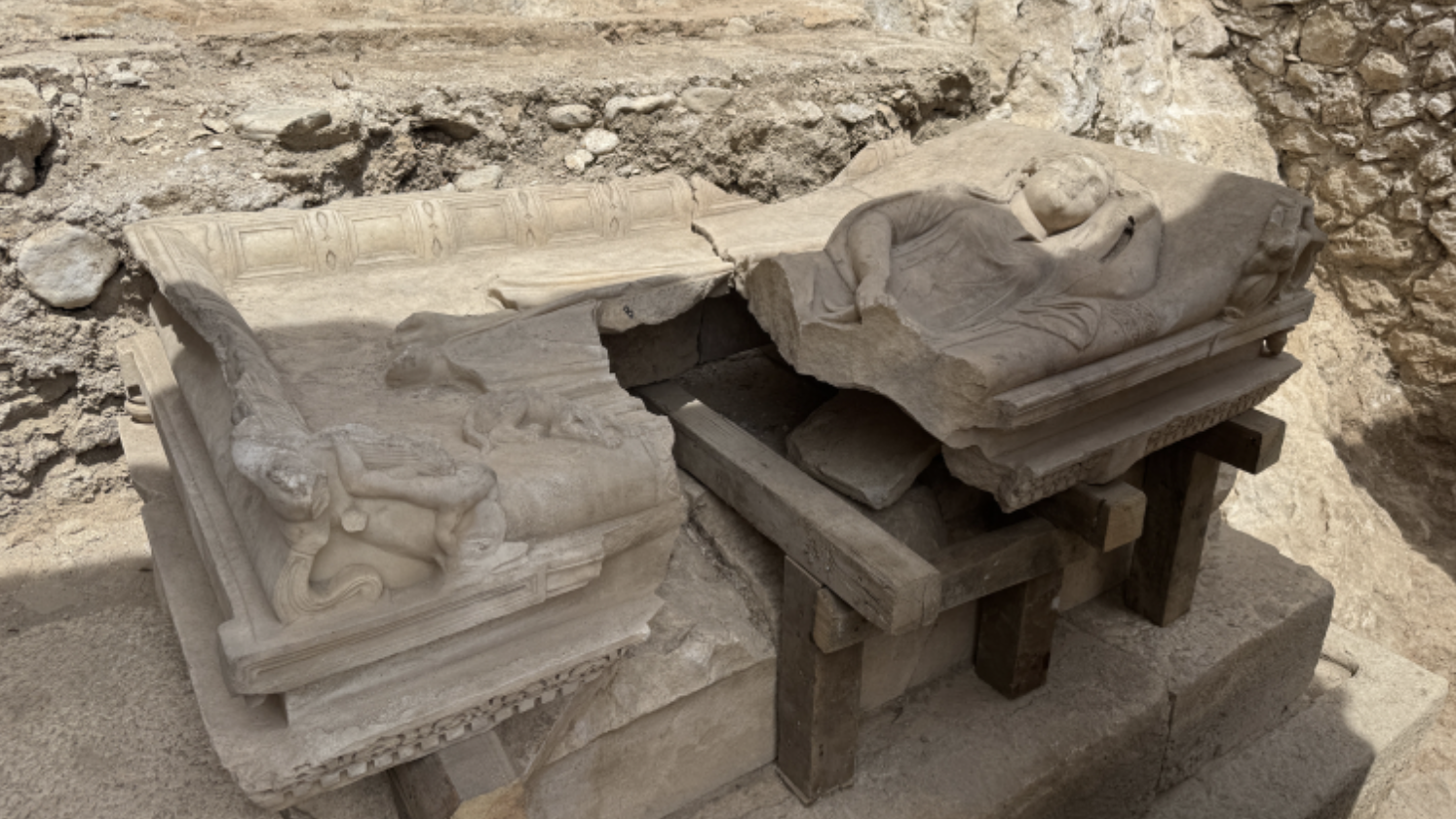
Photo Credit: AA
Experts working at the site believe the tomb belonged to a member of one of Olympos’ influential families. In Roman culture, hunting scenes were commonly associated with prestige, authority, and noble identity, often serving as visual statements of power long after death. Rather than being purely decorative, such artwork reflected how elite individuals wished to be remembered.
Adding to the significance of the find are carvings of Nike, the winged goddess associated with victory, and Eros, the god connected to love and desire. On funerary monuments, these figures often carried deeper meanings linked to remembrance, continuity, and beliefs surrounding the afterlife.
The excavation forms part of Türkiye’s “Heritage for the Future Project”, an initiative led by the Ministry of Culture and Tourism to support long-term archaeological work at historically significant locations across the country.
According to excavation director Associate Professor Dr Gökçen Kurtuluş Öztaşkın from Pamukkale University, researchers were investigating the area surrounding Olympos’ monumental harbour tombs when the hidden structure came to light. Before this discovery, only two monumental tombs had been documented in this section of the ancient city, making the latest find an important addition to the archaeological record.
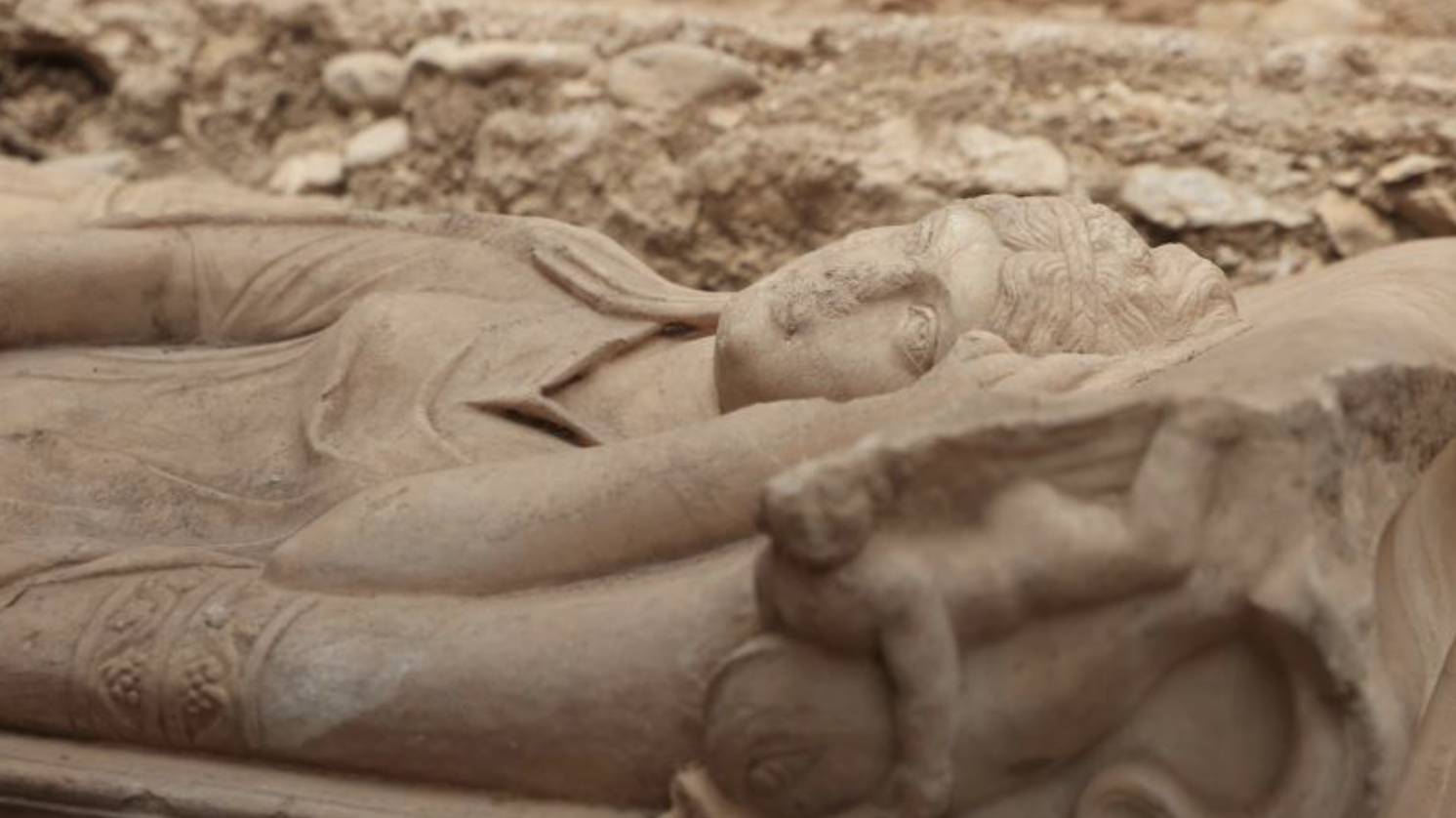
Photo Credit: AA
Although the sarcophagus survived, it was discovered in a damaged condition. Archaeologists have identified around 50 broken fragments and have begun a painstaking restoration effort to piece the monument back together. The process resembles solving a complex historical puzzle, with every fragment needing to be stabilised and carefully returned to its original place before the tomb can eventually be opened to visitors.
The material used to construct the sarcophagus has also attracted attention. Researchers say the marble originated from İscehisar in Afyonkarahisar, a region known throughout antiquity for producing high-quality stone. The imported material further strengthens the argument that the tomb’s owner belonged to Olympos’ upper class, as transporting luxury marble over long distances would have been both expensive and prestigious.
Olympos itself holds a rich and layered history. Far more than a small coastal settlement, it was one of the key cities of ancient Lycia, a civilisation recognised for its distinctive funerary architecture, maritime trade, and political influence. During antiquity, the city played an important role within the Lycian League, a federation of cities in southwestern Anatolia.
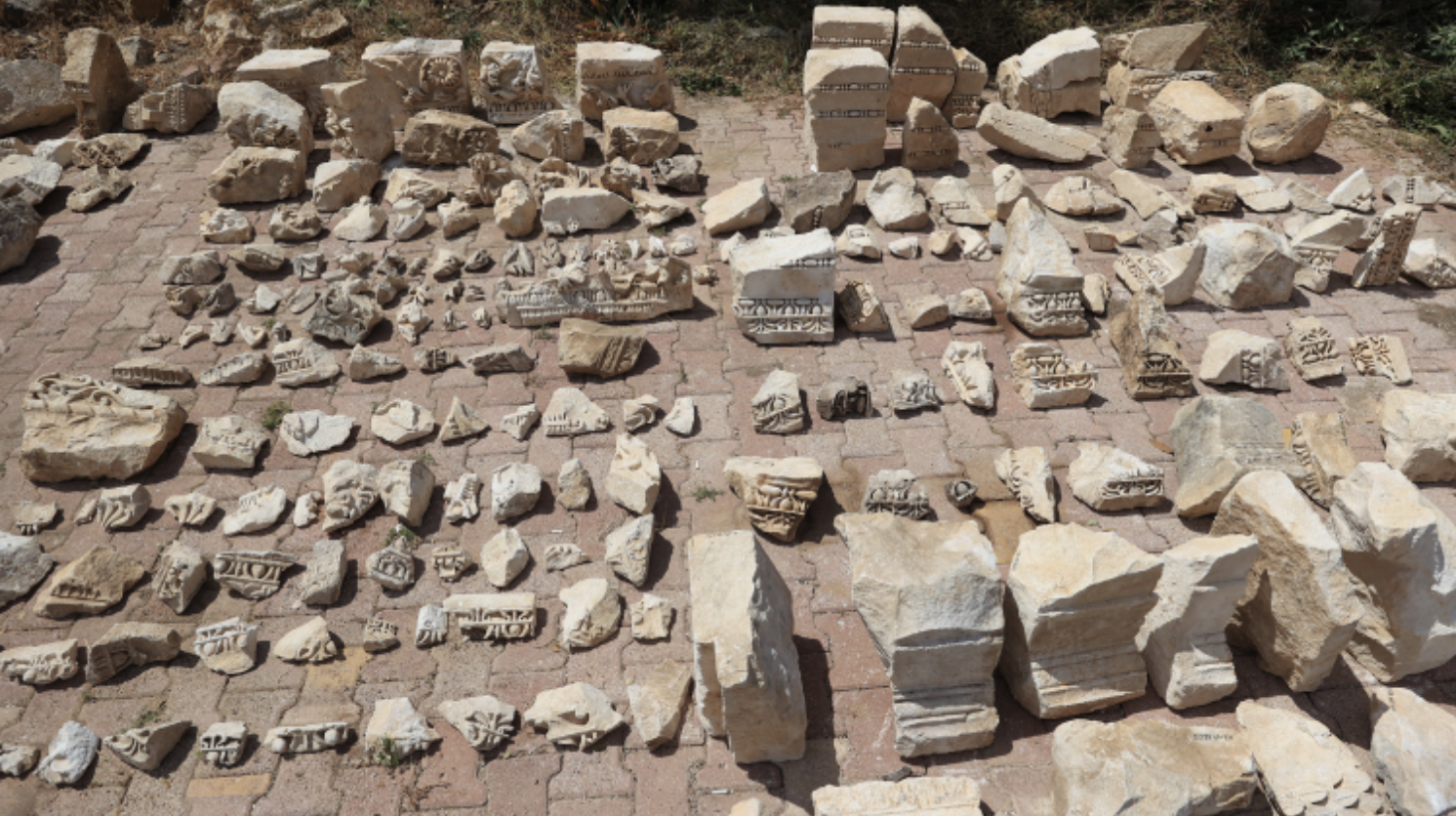
Photo Credit: AA
Its coastal position made Olympos an important centre for trade and travel, linking it to wider economic and political developments across the eastern Mediterranean. Today, visitors can still explore traces of its past through surviving ruins, including churches, bathhouses, tombs, harbour remains, and ancient streets woven through a dramatic valley landscape near the sea.
The newly uncovered tomb is not the first restoration challenge archaeologists have faced in Olympos. Last year, two sarcophagi found at the site had been shattered into 722 separate fragments, requiring extensive reconstruction before they could be displayed. Researchers are now applying the same careful conservation techniques to this latest discovery.
Once fully restored, the tomb is expected to become part of the visitor route, allowing the public to experience another chapter of Olympos’ ancient past. For historians and archaeologists, however, the significance runs deeper. The discovery provides valuable evidence about how wealthy Lycian-Roman families used architecture, imported materials, and artistic symbolism to express status and preserve memory.