Ancient Roman Curse Tablet Found in the Netherlands!
Archaeologists in the Netherlands have uncovered a remarkable glimpse into the secretive world of Roman magic after deciphering an 1,800-year-old lead tablet buried beneath a modern town square.
The small object was discovered in Heerlen, a town built on the site of the ancient Roman settlement of Coriovallum. While modest in appearance, the tablet has proven to be an extraordinary find, offering fresh insights into how beliefs, rituals and magical practices travelled across the vast Roman Empire.
What makes this discovery particularly unusual is the language used. Most curse tablets found in the northern provinces of the Roman world were written in Latin. This example, however, was inscribed in ancient Greek and follows a magical tradition strongly associated with Egypt, suggesting that cultural influences were reaching far beyond their places of origin.
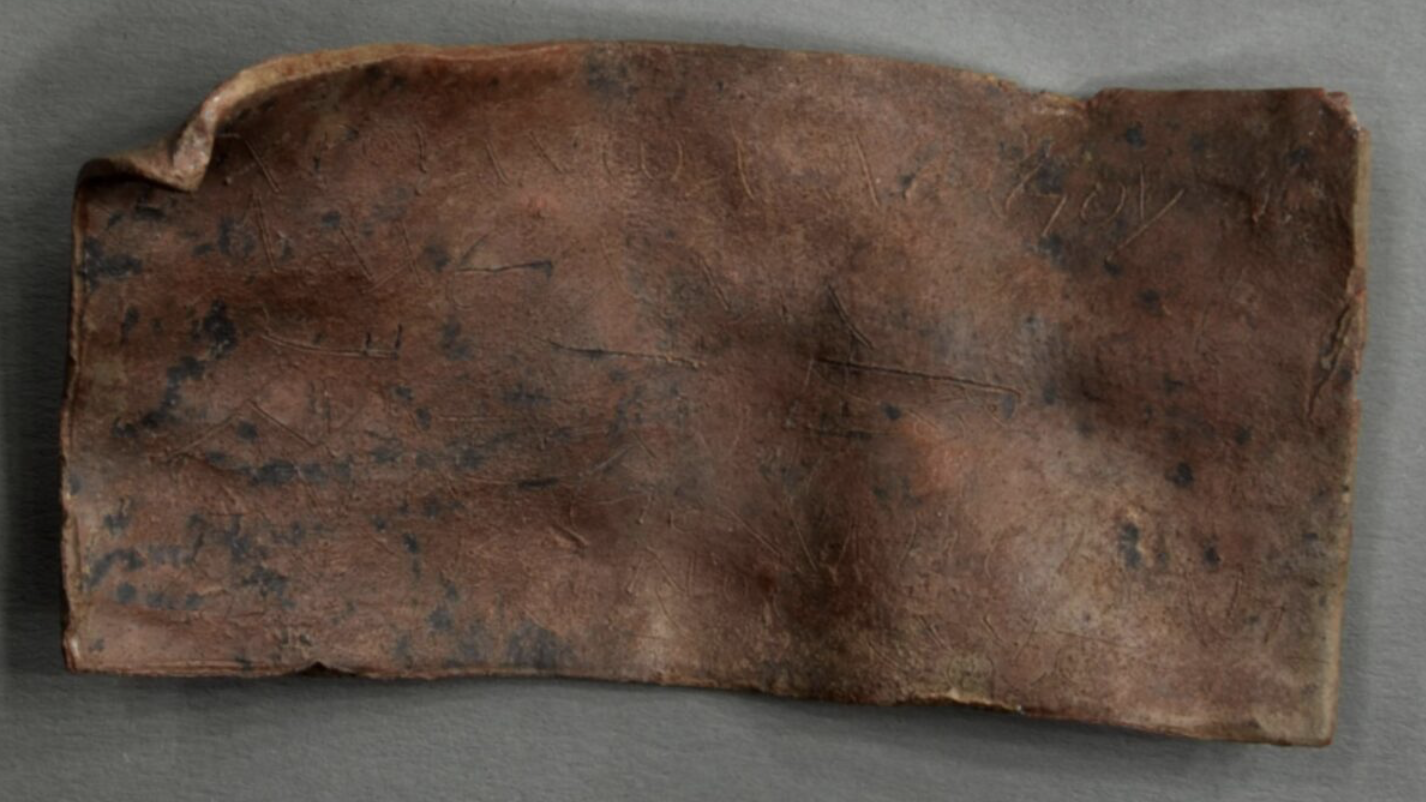
Photo Credit: Elke Fuchs, Institute of Papyrology, Heidelberg University.
Researchers from Heidelberg University used advanced imaging technology to study the worn surface of the tablet. By creating a detailed digital model and adjusting virtual lighting, they were able to reveal markings that had become difficult to read over the centuries.
Their analysis showed that the inscription contained several distinct elements. Alongside a Greek invocation were a number of mysterious magical symbols believed to have been used to communicate with supernatural forces. The text also mentions four enslaved individuals: two men with Latin names and two women with Greek names.
The exact purpose of the tablet remains uncertain. It may have been intended to place a curse upon the four individuals named, or it could have been written on their behalf against an unnamed target. Either way, the inscription appears to have been part of a ritual designed to influence events through supernatural intervention.
The mix of names recorded on the tablet has raised interesting questions among researchers. One theory suggests that one of the women mentioned may have been responsible for creating the inscription. If true, she may have brought knowledge of Egyptian magical traditions with her as she moved through the Roman world.
This possibility highlights just how interconnected the empire had become. Soldiers, merchants, officials and enslaved people travelled enormous distances, carrying not only goods and languages but also personal beliefs, customs and religious practices.
Magic occupied a complicated place in many ancient societies. In Egypt, some forms of ritual practice were accepted as part of everyday religious life, particularly those connected with healing or protection. Other practices, especially those intended to harm rivals or gain an advantage over others, were often conducted in secret.
By the early centuries AD, traditions from Egypt, the Near East, Jewish communities and even emerging Christian groups were increasingly influencing one another. The Heerlen tablet provides striking evidence of these cultural exchanges taking place thousands of kilometres from their original sources.
Unlike grand monuments or official inscriptions that celebrate emperors and military victories, curse tablets reveal a far more personal side of history. They capture moments of fear, resentment, rivalry and desperation that rarely appear in traditional historical records.
For that reason, this small piece of lead is far more than an archaeological curiosity. It offers a rare insight into the private lives of ordinary people living on Rome's northern frontier and demonstrates how ideas could spread across continents long before the modern world made global connections seem commonplace.
The tablet is expected to go on display at the Heerlen Museum, where visitors will be able to see one of the most intriguing examples of ancient magic ever discovered in north-western Europe.