Ancient Roman Medicine: Human Faeces and Thyme Used in 2,000-Year-Old Remedies!
A remarkable discovery from Pergamon, a major medical centre of the Roman world, has provided the first direct physical evidence that human faeces were once used as part of medical treatments. Researchers analysed residue inside a small sealed Roman glass vial, known as an unguentarium, recovered from a tomb dating back nearly 2,000 years.
The vial, now housed at the Bergama Archaeology Museum in Turkey, still contained dark brown flakes clinging to its interior. While archaeologists had noticed similar traces in other stored glass containers, this particular specimen preserved enough material for detailed chemical analysis. Using gas chromatography and mass spectrometry, the team examined its molecular composition.
The tests revealed two key compounds: coprostanol and 24-ethylcoprostanol, which form in the digestive systems of animals processing cholesterol. Their proportions indicated a human origin. Alongside these faecal markers, the researchers identified aromatic molecules, including carvacrol, a major component of thyme oil.
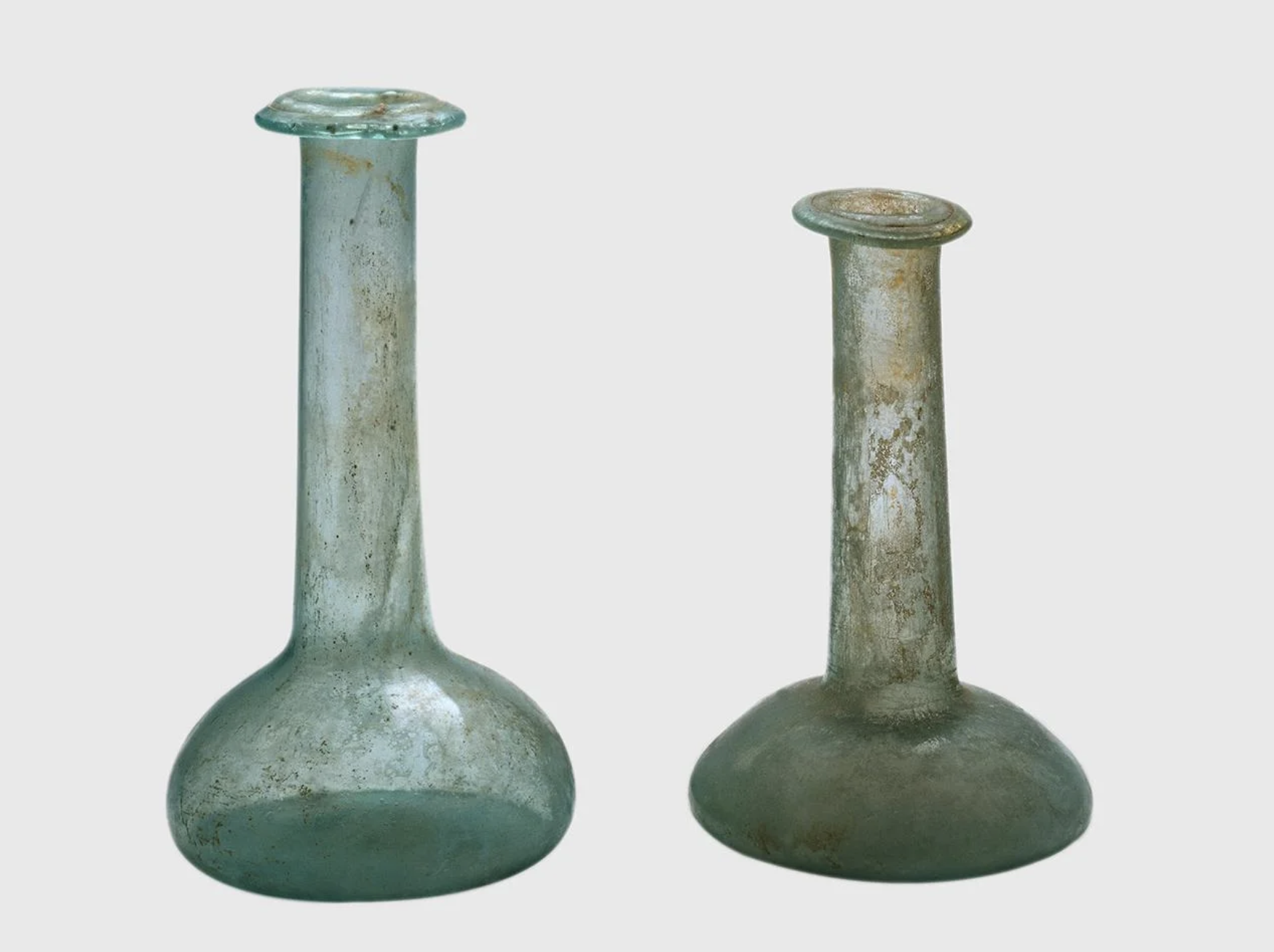
Photo Credit: Public Domain
Ancient medical writers often recommended mixing strong-smelling herbs with otherwise unpleasant ingredients to make remedies more palatable. The combination of human faeces and thyme detected in this vial aligns perfectly with these instructions. Pergamon was also closely connected to the famous physician Galen, who documented dung-based treatments for inflammation, infections, and certain reproductive conditions. Similar prescriptions appear in texts by Dioscorides and Pliny the Elder.
Small glass unguentaria are commonly found in graves and settlements across the Roman Empire, usually assumed to have held perfumes or oils. This study, however, shows that some contained more complex medicinal mixtures. In Roman practice, the line between cosmetics, hygiene, and therapy was often blurred, a scented preparation could serve both social and therapeutic purposes.
Direct evidence for dung-based medicine is rare, largely because organic material deteriorates over time, and cultural taboos have historically limited research. By combining chemical analysis with careful study of ancient texts, researchers have built a clearer picture of how these remedies were prepared and used.
The presence of thyme in the mixture is particularly telling, suggesting deliberate control of odour rather than accidental contamination. In Roman medicine, smell carried both diagnostic and symbolic significance, and fragrance was an important part of the patient experience.
These findings provide concrete archaeological support for written accounts that historians have long debated. The residue inside this small vial now confirms that some Roman healers indeed followed through on recipes that modern readers might otherwise dismiss as purely theoretical.