Bronze Age Workshop Unearthed at Kissonerga-Skalia Reveals New Insights into Ancient Cyprus!
Archaeologists have wrapped up their latest season of work at Kissonerga-Skalia, a fascinating site just north of Paphos that holds one of the richest records of early Cypriot life. Under the direction of Dr Lindy Crewe from the Cyprus American Archaeological Research Institute, this year’s excavations have sharpened our understanding of a settlement that grew steadily from the early third millennium BCE, before finally being abandoned around 1600 BCE.
Kissonerga-Skalia first emerged during the Philia phase, following earlier activity at the nearby site of Kissonerga–Mosphilia. Over time, it expanded into a thriving community by the Middle Bronze Age. Excavations suggest that around 1750 BCE, the inhabitants embarked on a major building project that dramatically altered the northern slope of the settlement.
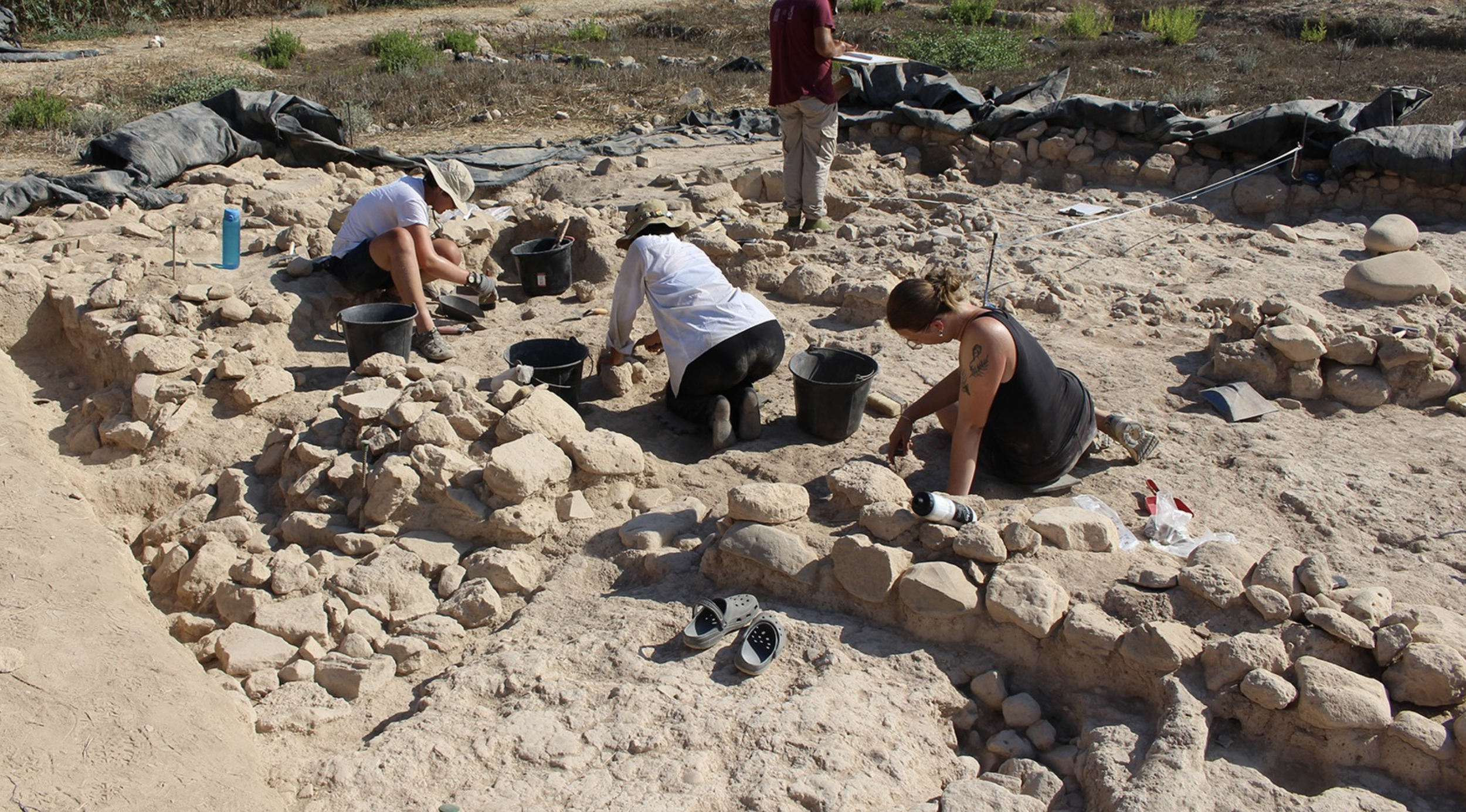
Photo Credit: Department of Antiquities Cyprus
Earlier domestic buildings were deliberately dismantled, and their rubble used to create a large artificial terrace covering roughly 1,200 square metres. On top of this levelled surface, the community constructed an organised complex of thick-walled buildings, roofed rooms, and open courtyards. Their floors were carefully finished with hard clay or gypsum, hinting at a well-planned layout rather than casual, everyday living.
Interestingly, nothing uncovered so far suggests that these new structures were used as homes. Instead, the presence of installations linked to heating, grinding, storage, and material processing indicates that the area served as a major workshop zone. Its scale fits neatly into the broader changes happening across the eastern Mediterranean at the time, when seafaring networks expanded and specialist craft production became increasingly important.
Yet this ambitious complex had a surprisingly short life. The settlement was abandoned early in the Late Cypriot period, leaving its final phase sealed and exceptionally well preserved for today’s archaeologists.
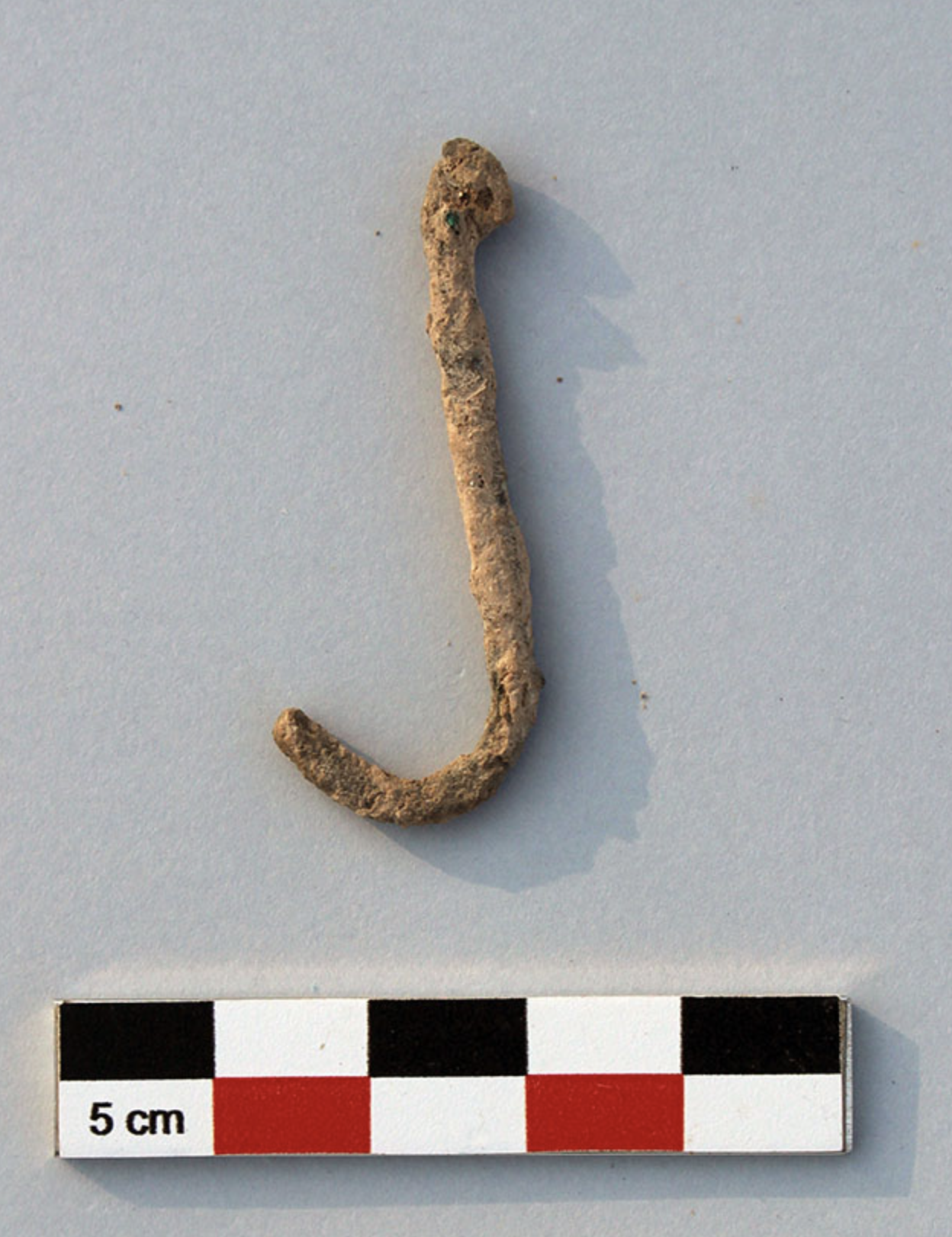
Photo Credit: Department of Antiquities Cyprus
This season’s work focused on one of the courtyards within the complex, already known to contain a domed oven about 1.5 metres across. Closer study revealed that the courtyard is actually G-shaped, and at one end the team uncovered one of the most impressive discoveries of the season: a much larger, open-air heating installation.
This newly revealed structure measures around four metres in diameter. It was built as a concave, hard-fired hollow lined with a mixture of mud and lime, likely surrounded by low mudbrick walls but left open to the air. Inside, archaeologists found stone tools, pieces of plaster or lime, broken pottery, and animal bones, items that may reflect either clean-up activities or the final use of the installation. By the time a new floor was laid across it, the oven was already out of service, and it appears to predate the smaller domed oven nearby.
Although the exact purpose of this installation remains uncertain, soil analysis has offered a tantalising hint. Wet-sieving produced charred wheat grains and terebinth remains, suggesting that foods containing these ingredients were either being prepared or accidentally burnt in the oven.
These small but significant finds offer a rare glimpse into the culinary habits of Bronze Age Cyprus. They add an important piece to the wider story of Kissonerga-Skalia during a period marked by technological innovation, growing economic complexity, and increasingly specialised craftsmanship.