Digital Archaeology Reveals Pompeii’s Lost Towers and Ancient City Skyline!
Archaeologists at Pompeii are turning to cutting-edge digital technology to bring back parts of the ancient city that disappeared nearly 2,000 years ago. One recent study centres on the House of Thiasus, an impressive home in Regio IX, where excavations revealed grand dining spaces and a striking stone staircase that seems to stop mid-way. This curious detail sparked an obvious question: what once stood above it?
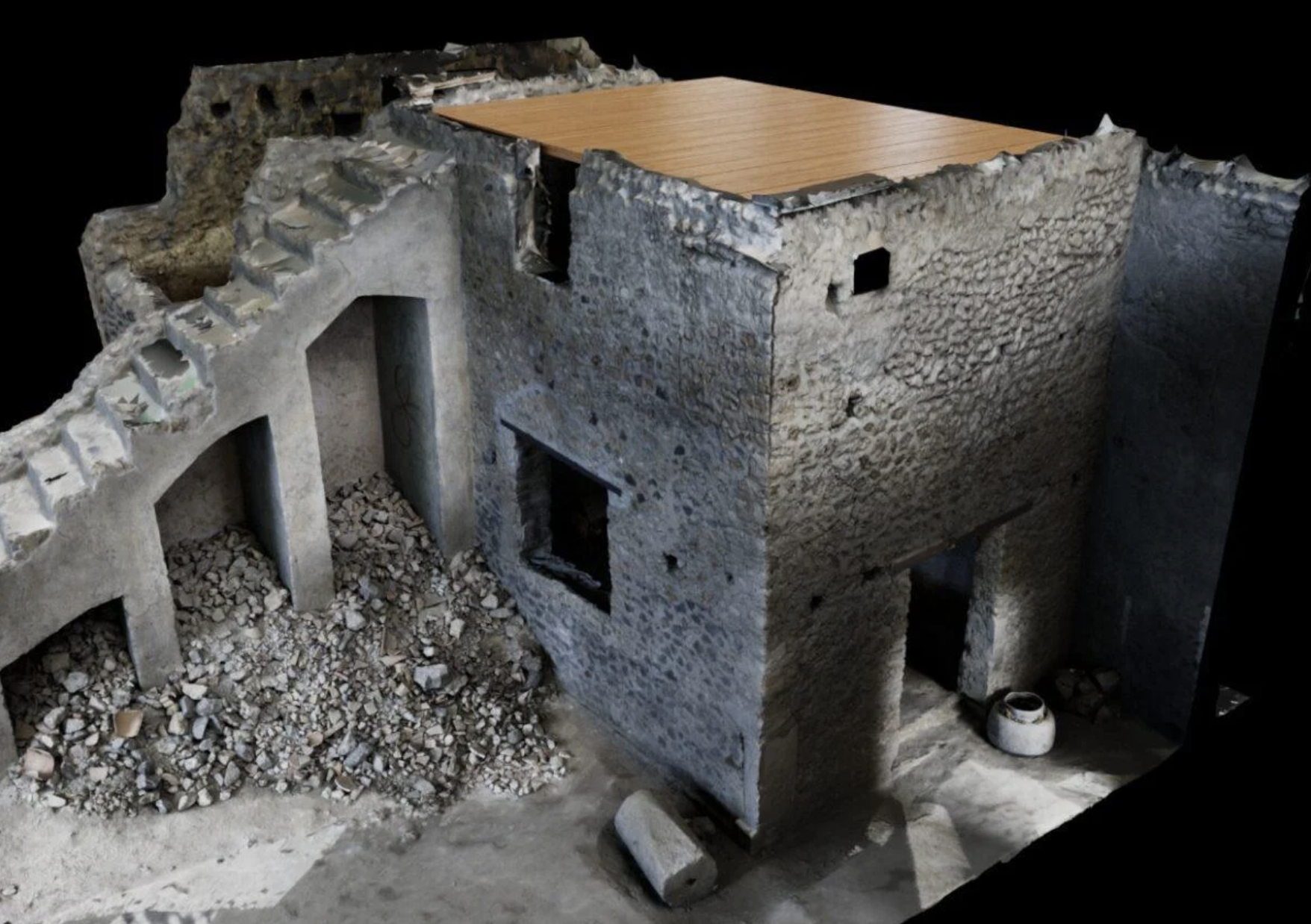
Photo Credit: Courtesy of the Archaeological Park of Pompeii
When Mount Vesuvius erupted in AD 79, Pompeii was buried beneath metres of ash and debris. While many ground floors survived this catastrophe, the upper levels of buildings collapsed centuries before systematic excavations began in the eighteenth century. As a result, archaeologists have long been left with only part of the picture. This so-called “lost Pompeii” has limited our understanding of both everyday life and the city’s original skyline.
Now, a joint team from the Archaeological Park of Pompeii and Humboldt University of Berlin is using digital archaeology to fill in these missing pieces. Their work forms part of the POMPEII RESET project, which combines detailed scanning, LiDAR technology and close-range photography to produce accurate 3D models of surviving structures. By analysing clues such as beam sockets, traces of ceilings and the alignment of staircases, researchers can create digital “twins” that suggest how these buildings once looked.
The House of Thiasus provides one of the clearest examples of what this approach can reveal. Digital modelling suggests that the stone staircase originally led to a tower rising up to 12 metres above the villa. Within this reconstructed structure, researchers have identified space for a wooden staircase and an upper-floor dining room surrounded by windows. Below, the rooms appear to have been more practical in nature, possibly used for food preparation before meals were carried upstairs to entertain guests in a lavish setting.
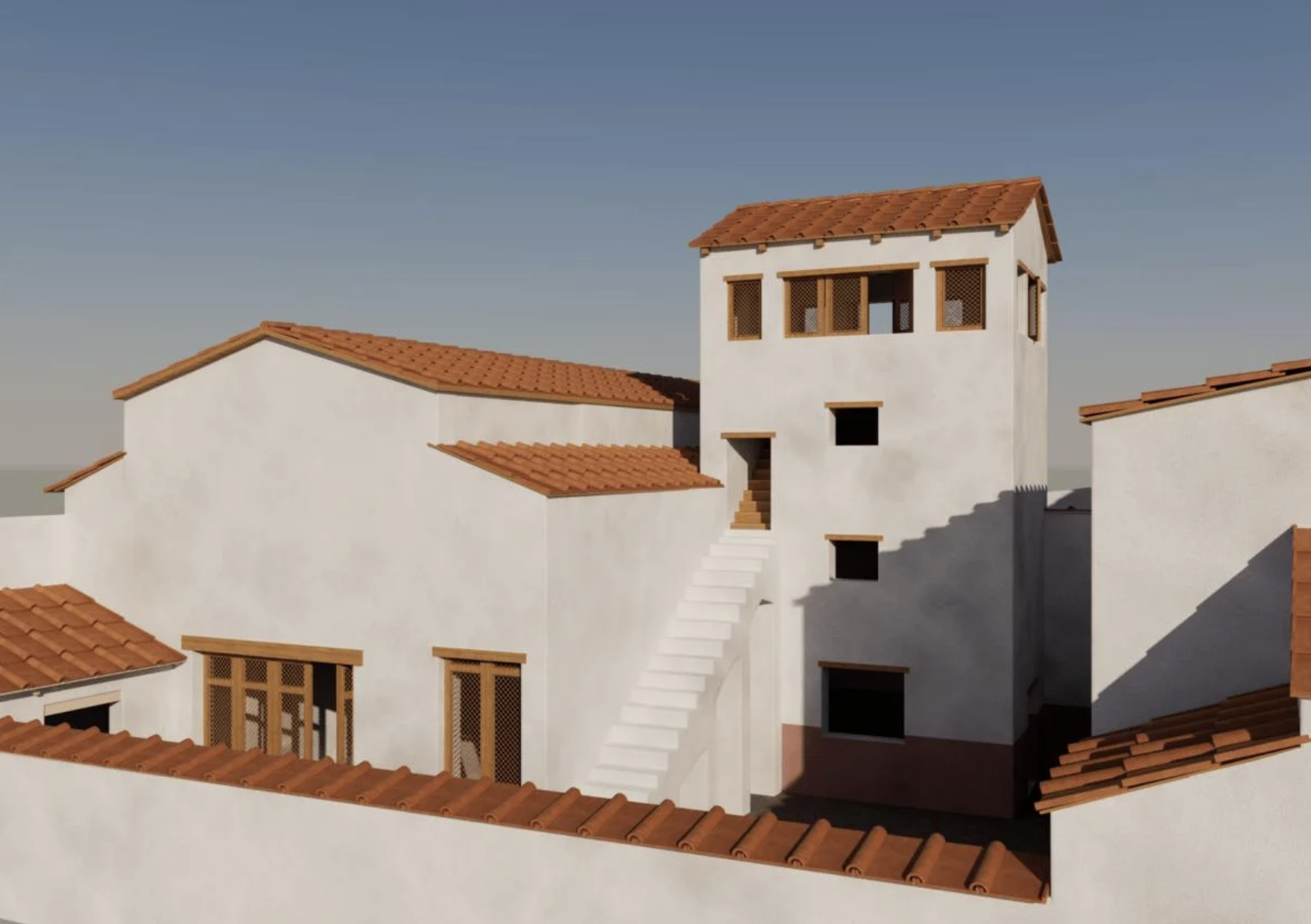
Photo Credit: Courtesy of the Archaeological Park of Pompeii
These findings match descriptions and artistic depictions from the Roman world, which often show multi-storey villas topped with towers. Such features were a hallmark of elite homes, offering sweeping views across the landscape and out towards the Bay of Naples. Ancient writers mention similar towers in luxurious estates, including Pliny the Younger’s seaside villa and the famous tower in the Gardens of Maecenas.
The research suggests that wealthy Pompeian families embraced this architectural fashion even within the city itself, creating a skyline that was far more vertical and dramatic than the ruins suggest today. In the case of the House of Thiasus, archaeologists believe the owner may have been a figure of considerable political importance.
Beyond revealing lost architecture, digital reconstruction also plays a vital role in preservation. Virtual models allow scholars to study fragile remains without physically interfering with them and help visualise ancient spaces as their occupants once experienced them. Published in the E-Journal of the Excavations of Pompeii, the findings point to a city that was far more ambitious in its design than the flattened remains we see now.
The team hopes that further reconstructions of this “lost Pompeii” will deepen our understanding of urban life before the eruption and shed new light on how the city’s inhabitants shaped, and enjoyed, their remarkable environment.