Forgotten Roman Administrative Centre Discovered Near Limmat River, Switzerland!
Recent archaeological excavations along the Limmat River in Gebenstorf are reshaping our understanding of Roman activity in northern Switzerland. Studies following a major rescue excavation conducted by the Cantonal Archaeology Department have revealed that the site was more than just a hub for trade and storage. Evidence suggests it also functioned as a political and administrative centre, hinting at the early stages of a settlement that was never fully realised.
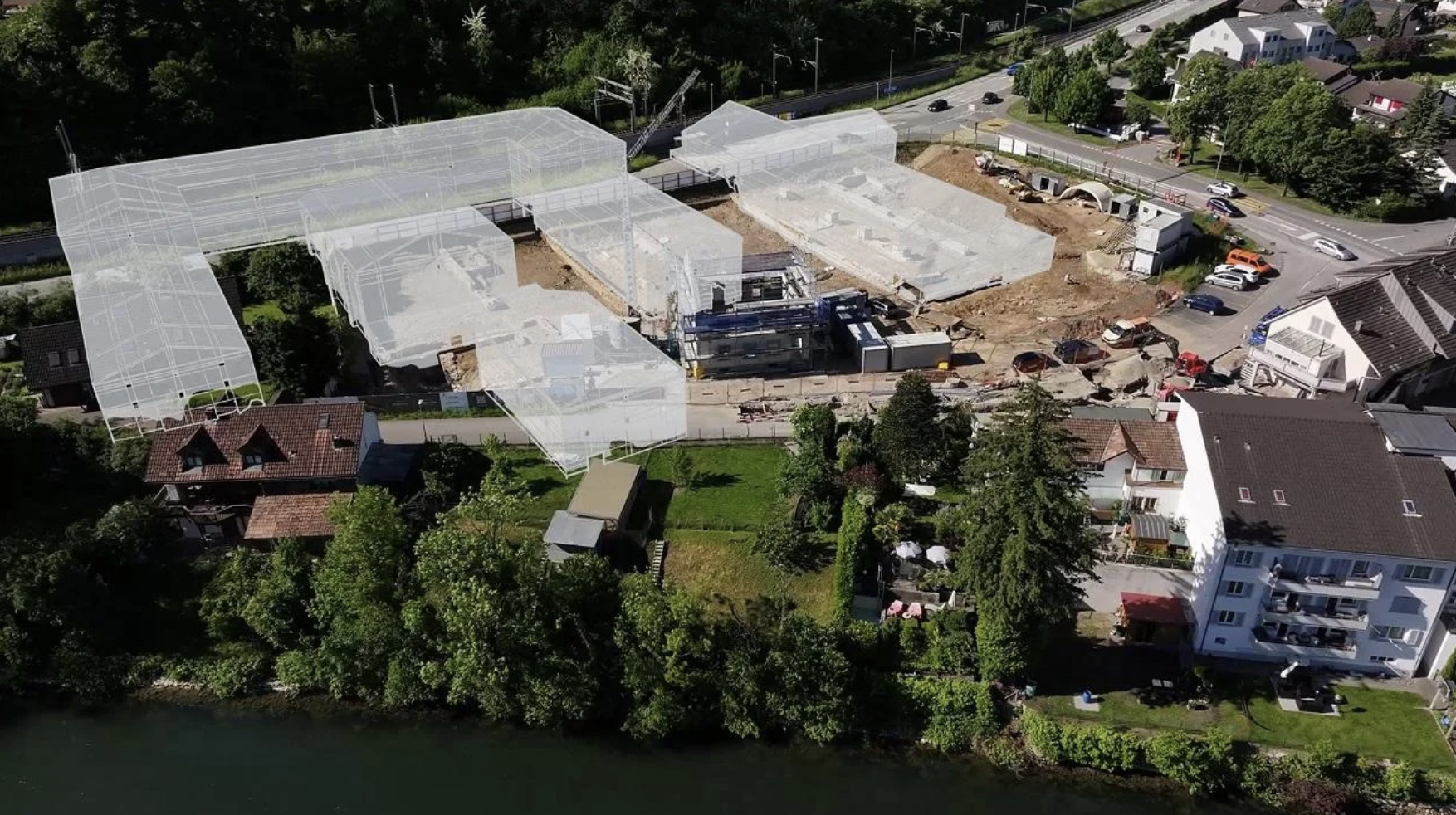
Photo Credit: Cantonal Archaeology, © Canton of Aargau
Over fourteen months of fieldwork, from April 2024 to May 2025, archaeologists documented an extensive Roman settlement area. Their meticulous work recorded more than 4,000 features, hundreds of architectural plans, and thousands of photographs, alongside 1,665 catalogued artefacts. Among these finds were 137 coins and a variety of specialised objects, such as styluses, weights, and a folding ruler, pointing to a community actively engaged in commerce and record-keeping at the time when Roman legions were stationed in Vindonissa.
Architectural analysis has allowed researchers to reconstruct the complex for the first time. The three principal buildings, likely dating to the late 1st century CE and constructed by units of the 11th Legion, were oriented along the riverbank. The western structure appears to have been a double-aisled portico with columned walkways, while the central building featured a partly subterranean hall reminiscent of the cryptoporticoes seen in Roman forums. The eastern building was more intricate, with multiple rooms, corridors, and internal courtyards, extending beyond the current excavation area, possibly under a modern road. Together, these structures suggest a multifunctional centre combining trade, administration, and legal activities, potentially intended for an urban settlement that never came to fruition.
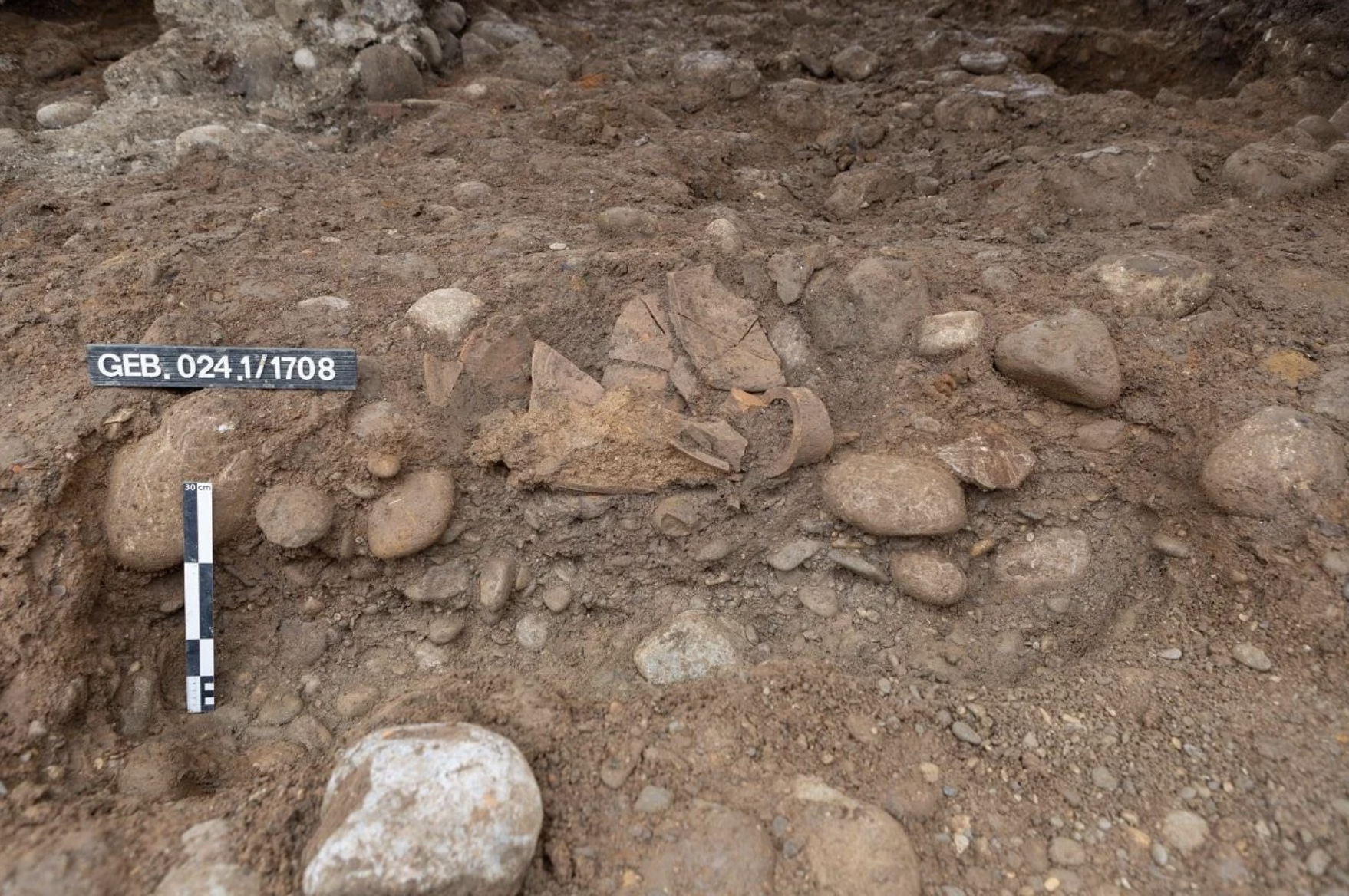
Photo Credit: Cantonal Archaeology, © Canton of Aargau
One of the most remarkable discoveries was an intact amphora. While thousands of fragments were found, only this single vessel survived complete, containing a compact layer of sediment. Removed in a soil block, the amphora was carefully cleaned using fine sieves at the University of Basel. Analysis revealed small fish bones and scales from Sardina pilchardus, the Atlantic sardine, providing the first evidence that sardines were consumed in Roman Switzerland. The findings also indicate that fish sauce, a widely traded Roman condiment, was imported to the region.
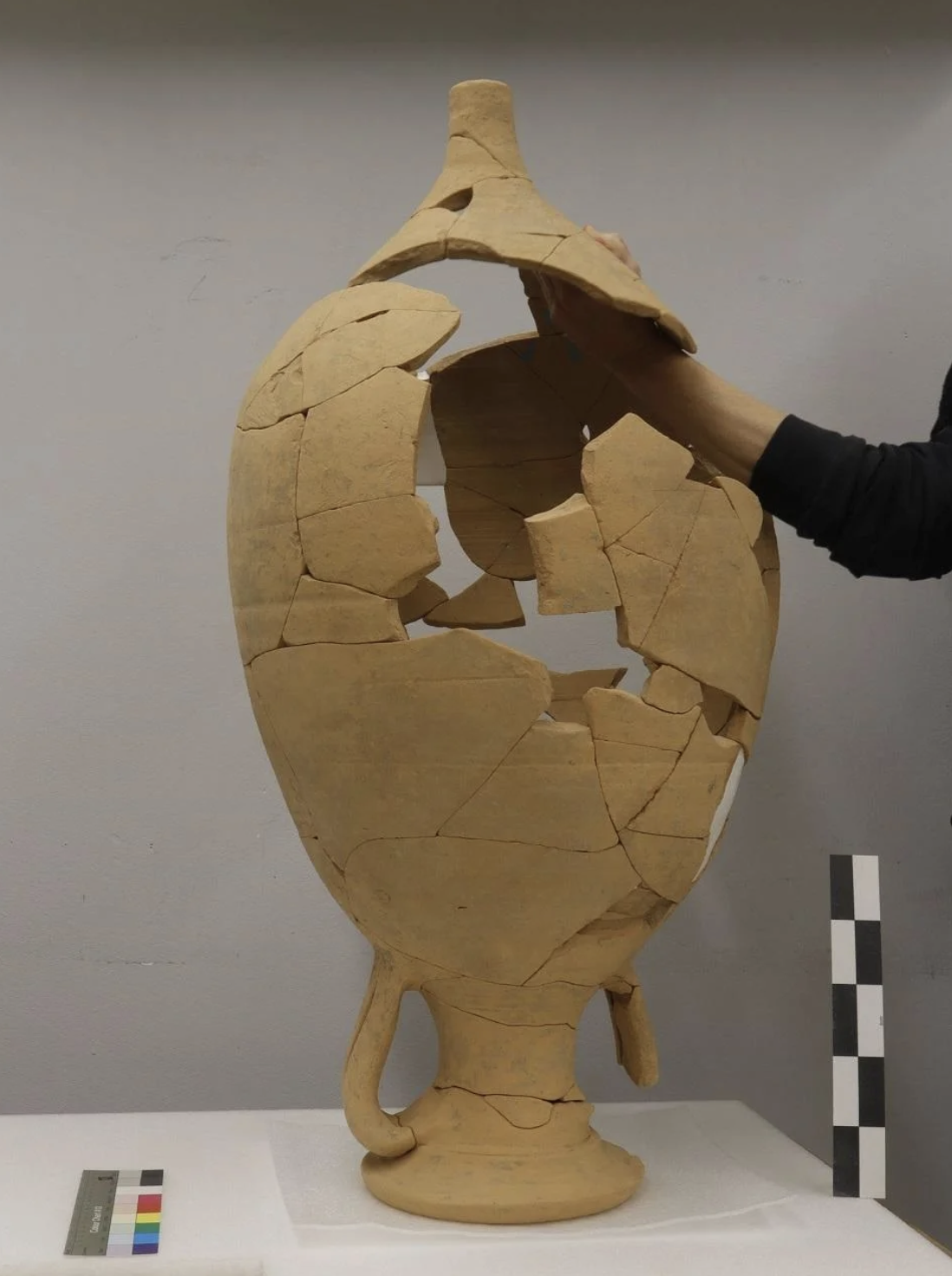
Photo Credit: Cantonal Archaeology, © Canton of Aargau
The amphora’s clay suggests it may have originated from Baetica in modern-day Andalusia, though Roman Gaul remains a possibility. Dating between 25 and 50 CE, it aligns with the broader distribution of fish-processing industries in the western Mediterranean.
To bring this fascinating excavation to a wider audience, the Cantonal Archaeology Department has produced a documentary detailing the project. The film is now available on the official YouTube page of the Canton of Aargau.
This discovery not only expands our understanding of Roman settlement in northern Switzerland but also offers a rare glimpse into daily life, trade, and administration during the Roman era, a story that had long remained hidden beneath the banks of the Limmat.