Hidden Stone Age Rock Paintings Discovered in Western Norway!
Archaeologists have uncovered a previously unknown area of Stone Age rock paintings near Tingvoll in Møre og Romsdal, western Norway, shedding new light on one of Northern Europe’s most significant prehistoric art landscapes. While Tingvoll has long been recognised for its rich collection of rock art, with 25 known panels across two main sites, this latest find represents an entirely separate area that had not been identified before.
The discovery was made during recent fieldwork carried out by researchers from the Norwegian Institute for Cultural Heritage Research (NIKU) and the NTNU University Museum. The team originally set out to document and assess known rock art panels at Hunnhammar, but difficult terrain led them to notice faint traces of pigment on a nearby rock surface. Further investigation confirmed these marks were deliberate paintings created by humans thousands of years ago.
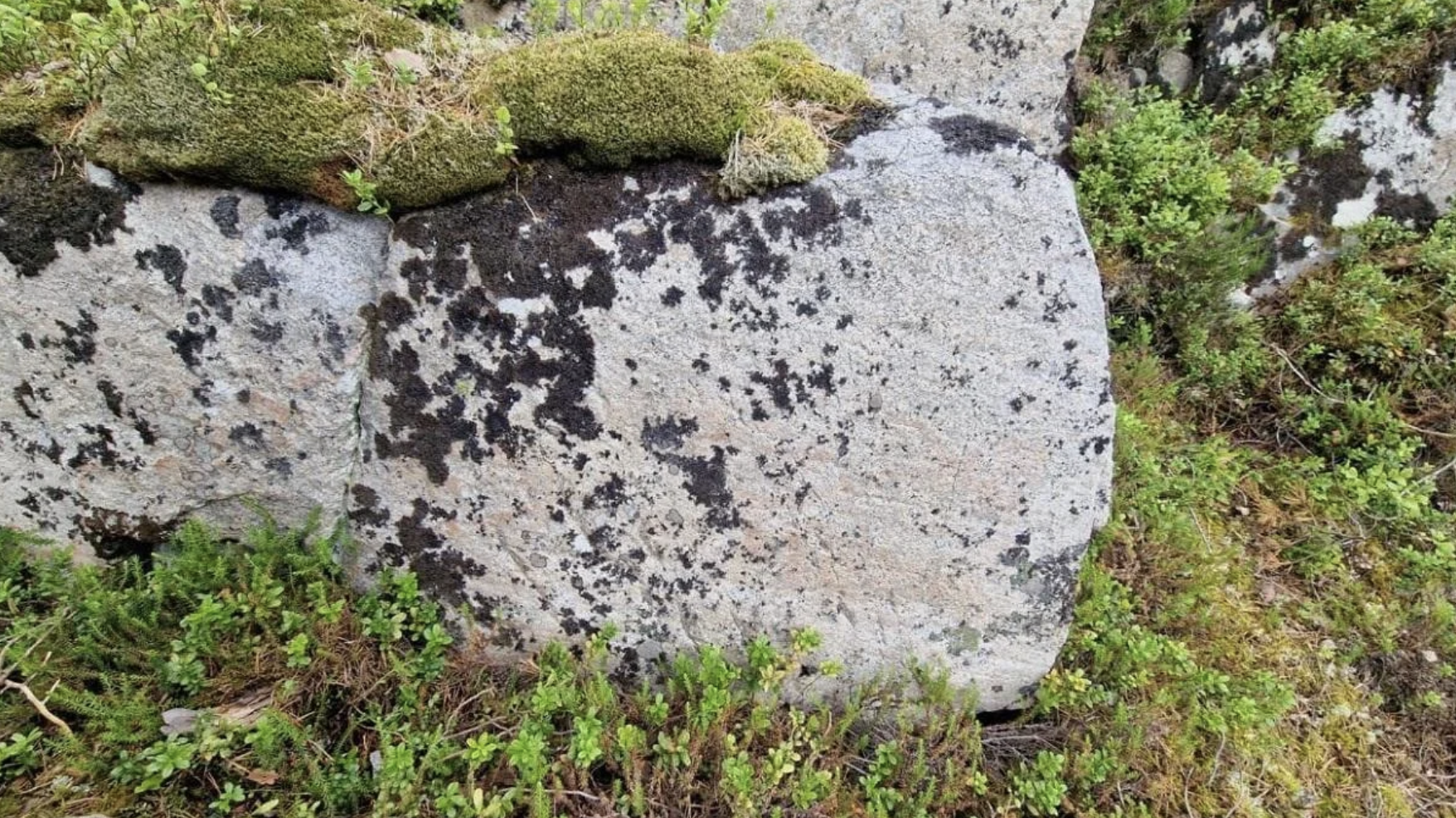
Photo Credit: NIKU
Unlike petroglyphs, which are carved into stone, the Tingvoll images are rock paintings made by applying pigment, often red ochre, directly onto the rock surface. Although dating such paintings precisely is difficult, similar examples across Scandinavia are thought to be between 3,000 and 7,000 years old, placing them firmly in the Stone Age. Among the newly identified motifs are a fish figure, likely representing salmon or halibut, along with geometric shapes believed to depict a boat. Together, these images point to the importance of fishing and maritime life in the beliefs and daily activities of prehistoric communities in the region.
Modern digital techniques played a key role in confirming the discovery. By enhancing colour and contrast in high-resolution photographs, researchers were able to distinguish painted lines from natural cracks and mineral staining in the rock. This approach reflects a broader shift in how archaeologists search for rock art today. Rather than focusing solely on large cliff faces, experts now know that paintings can also be found on smaller rock surfaces, often close to what were once ancient shorelines.
However, the discovery also highlights a growing concern: the rapid deterioration of rock art. These paintings are exposed to the elements and are constantly affected by weathering, frost damage, and the growth of moss and lichens. Temperature changes around freezing point are thought to accelerate this process. To address the issue, specialists from a leading stone conservation centre in Potsdam, Germany, have been brought in to assess the condition of the panels and advise on how best to preserve them before they fade away completely.
For now, the exact locations of the newly discovered paintings are being kept confidential. This is intended to protect them from vandalism and accidental damage, which has already led to the loss of several known rock paintings in Tingvoll. Researchers believe the area may still hold many more undiscovered artworks, some so faint they cannot be seen with the naked eye, waiting to be revealed.