New Study Redates the Origins of the Macedonian Kingdom!
For more than a hundred years, historians have confidently dated the birth of the Macedonian kingdom to the middle of the 7th century BCE. This timeline, repeated in textbooks and popular histories alike, places the origins of the state that would later produce Philip II and Alexander the Great far earlier than the surviving evidence can reliably support. A new interdisciplinary study, however, is now forcing scholars to rethink that long-accepted narrative.
Published in the academic journal Karanos, the study brings together a fresh reading of ancient written sources with detailed archaeological evidence from burial sites in Lower Macedonia. Its conclusion is striking: the rise of the Argead (also known as Temenid) dynasty should be dated to around 575 BCE, roughly 75 years later than traditionally believed.
The conventional chronology rests largely on king lists compiled centuries after the events they describe. Writers such as Eusebius of Caesarea recorded the names and supposed reign lengths of Macedonian rulers long after the classical period had ended. By counting backwards from Alexander the Great’s death in 323 BCE, these lists push the foundation of the dynasty deep into the 7th century BCE. Yet historians have long suspected that the earliest names on these lists were semi-mythical figures, added to give the dynasty greater antiquity and prestige.
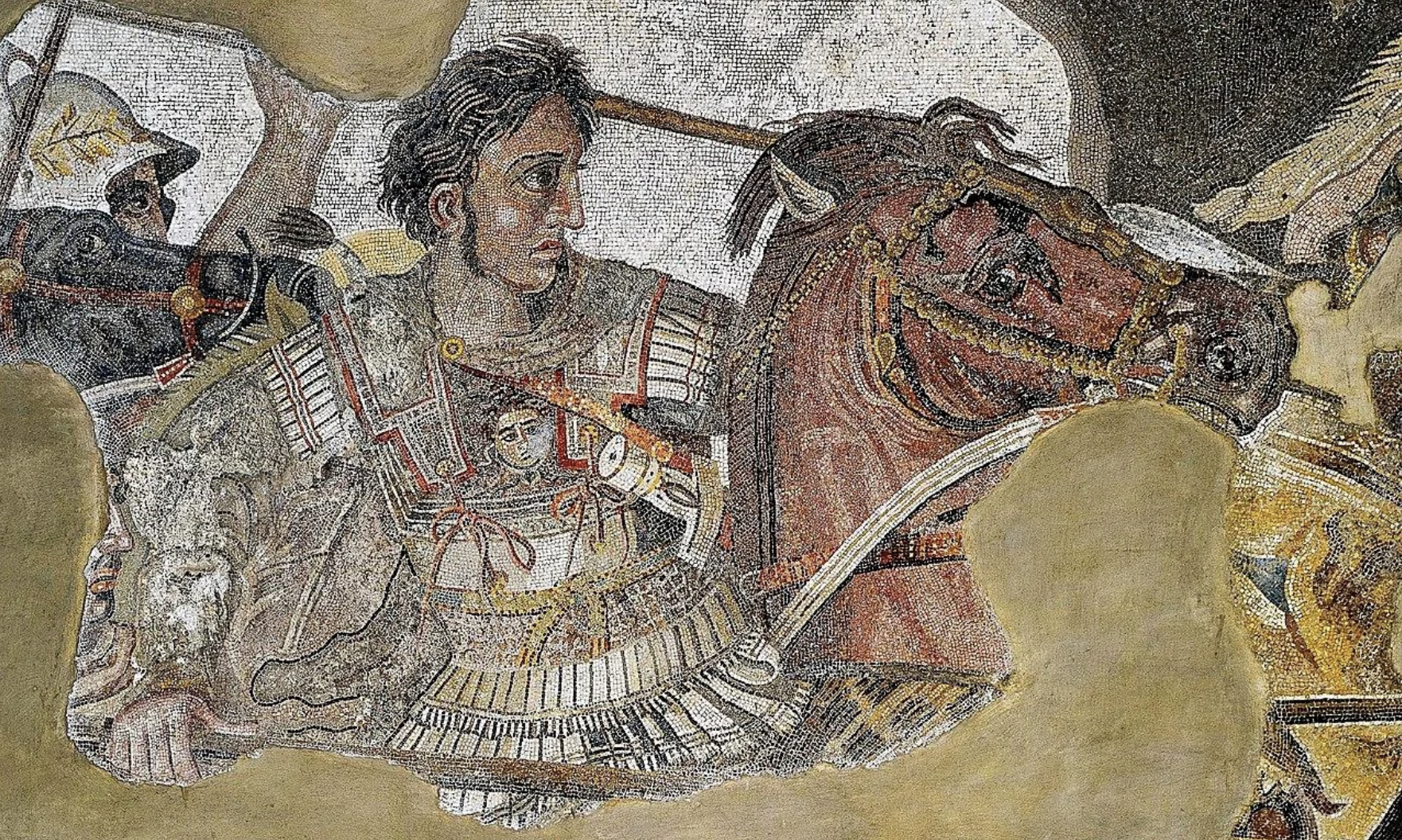
Photo Credit: Public domain
What the new study demonstrates is that even when those legendary rulers are removed, the remaining dates still do not hold up. When the reported reign lengths of early Macedonian kings are compared with those from better-documented historical periods, they appear unrealistically long. Early rulers would have had to reign for decades under unstable conditions, while later kings, ruling a far more organised state, typically governed for much shorter periods. Adjusting these reigns to more realistic lengths pushes the dynasty’s beginnings firmly into the early 6th century BCE.
Crucially, the archaeological evidence supports this revised timeline. A systematic study of burial practices across Lower Macedonia reveals no signs of a centralised or organised kingdom during the 7th century BCE. Graves from this period closely follow earlier Iron Age traditions, with little variation in wealth or status. There is limited evidence of social hierarchy, and nothing that clearly points to an established ruling elite.
That picture changes dramatically around 570 BCE. Across the region, burial customs shift at roughly the same time. Graves become richer and more uniform, gold objects and imported goods appear in significant numbers, and clear signs of inherited status emerge, even in the burials of children. These developments suggest the sudden rise of a powerful elite rather than a slow, gradual evolution.
Some of the most lavish tombs from this period are concentrated at key sites such as Vergina, known in antiquity as Aigai. Here, elite male and female burials were placed in distinct areas, indicating a structured social order. Archaeologists interpret this sudden transformation as evidence for the consolidation of political authority and the emergence of a new ruling class.
Rather than a fully formed state, the early Macedonian kingdom appears to have functioned as a complex chiefdom. Power was based on lineage, personal prestige, and control over resources, rather than formal institutions. Only later would this system develop into the kingdom capable of dominating Greece under Philip II and launching Alexander’s extraordinary campaigns.
By combining careful textual criticism with material evidence, the study places the rise of Alexander the Great’s dynasty squarely in the mid-6th century BCE. In doing so, it challenges one of the most entrenched assumptions in ancient history and prompts a broader reassessment of how and when political power first took shape in northern Greece.