Rare Date-Shaped Roman Glass Vessel Found in Face-Down Burial at Salona!
Archaeologists excavating the ancient city of Salona in modern-day Croatia have uncovered an unusually elaborate Roman burial containing an impressive collection of glass and ceramic objects.
The discovery was made at Hortus Metrodori, part of Salona’s western necropolis, where researchers have been investigating the cemetery for five seasons. Among the 32 graves excavated during the 2026 campaign was Grave 162, which contained a particularly unusual combination of finds, including a tiny glass vessel moulded to resemble a date.
The burial is also notable because the individual had been placed face down, rather than in the usual supine position recorded elsewhere in this part of the cemetery.
Grave 162 contained a considerable number of objects, making it one of the more distinctive burials uncovered during this year's work. The assemblage included three glass bottles, a smaller glass vessel, three balsamaria and four ceramic vessels. Archaeologists also recovered two engraved gems and pieces of a bronze object.
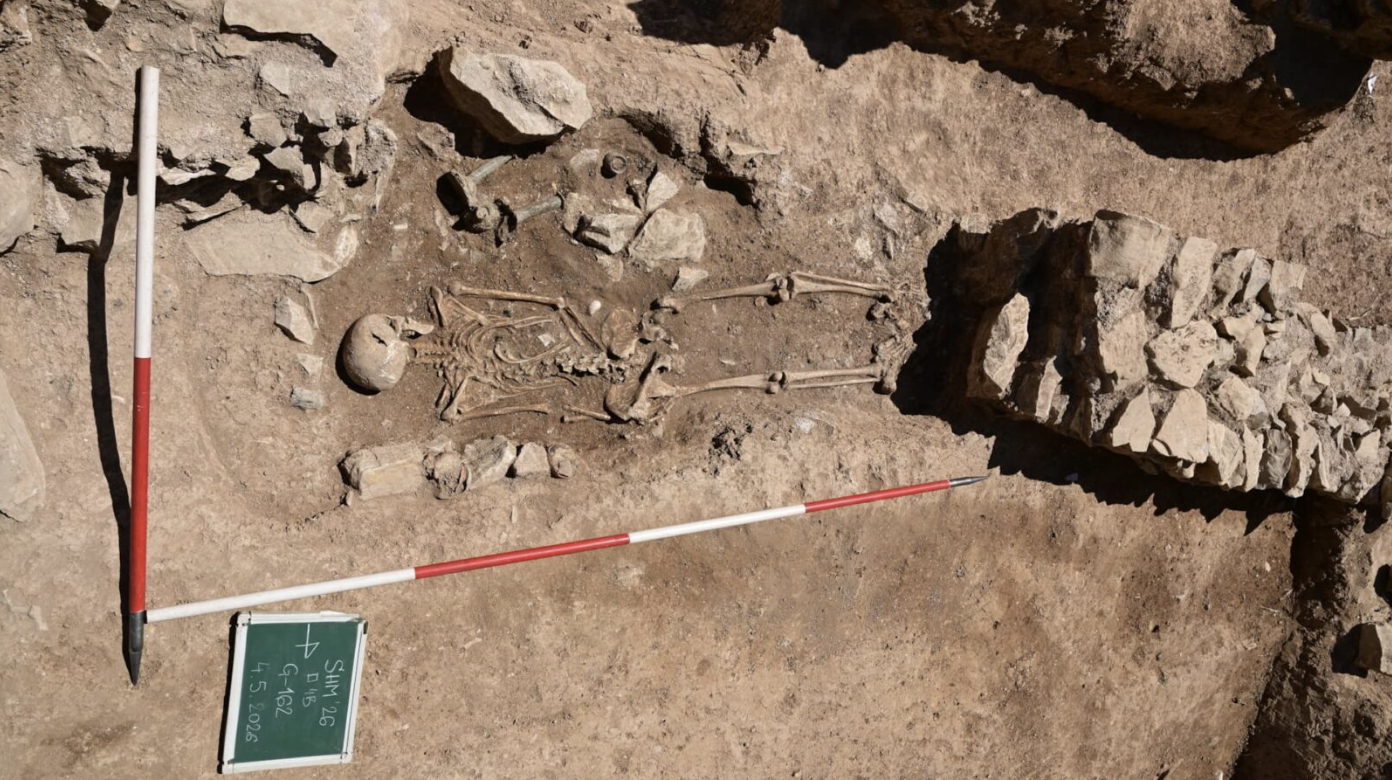
Photo Credit: Archaeological Museum in Split
The most eye-catching discovery was one of the glass balsamaria, which had been made in the shape of a date fruit. Balsamaria, sometimes referred to as unguentaria, were small glass containers commonly found in Roman archaeological contexts. They are often associated with perfumes, oils, cosmetics or other substances, although the shape of a vessel alone cannot tell us exactly what it originally contained.
The date-shaped vessel belongs to a wider Roman tradition of producing mould-blown glass objects that imitate fruits and other natural forms. Comparable examples were designed to reproduce the elongated shape and textured surface of a date and are generally dated to the 1st or early 2nd century AD.
Similar vessels have also been linked to glassmaking traditions along the Syro-Palestinian coast. However, there is currently no evidence establishing that the example from Salona was imported from the eastern Mediterranean, so its place of manufacture remains uncertain.
The position of the body is arguably just as intriguing as the objects buried alongside it. Most of the inhumations excavated in this section of Salona's cemetery were placed on their backs, making the prone position of the individual in Grave 162 unusual.
Face-down burials are not unique to Salona. They have been identified at Roman-period cemeteries elsewhere in Europe, but archaeologists have not found one universal explanation for the practice. Depending on the circumstances, such burials have been interpreted in connection with particular funerary customs, an individual's social circumstances or events surrounding their death.
At present, however, there is no confirmed explanation for why this person was buried in this position. The wealth of objects accompanying the deceased also makes it difficult to draw simple conclusions about the burial. Future analysis of the skeletal remains could provide further clues about the individual, including their age, biological sex, health and aspects of their life history.
The discovery comes from a cemetery that provides an important record of changing funerary practices at Salona.
Salona was one of the major Roman settlements on the eastern Adriatic, and its western necropolis developed alongside the road connecting the city with Tragurium, now Trogir.
Hortus Metrodori takes its modern name from an inscription containing the phrase in horto Metrodori, meaning “in the garden of Metrodorus”. The cemetery appears to have been used from around the 1st through to the 4th century AD, with burial plots and structures marking different areas of the funerary landscape.
The excavations are particularly valuable for understanding the gradual shift from cremation towards inhumation. During the earlier period, cremation was common in this part of the cemetery. By the 2nd century AD, however, inhumation was becoming increasingly prevalent before eventually replacing cremation in the excavated area.
The 2026 excavations captured this mixture of traditions particularly clearly. The archaeological team recorded 16 cremation burials and 16 inhumations during the season.
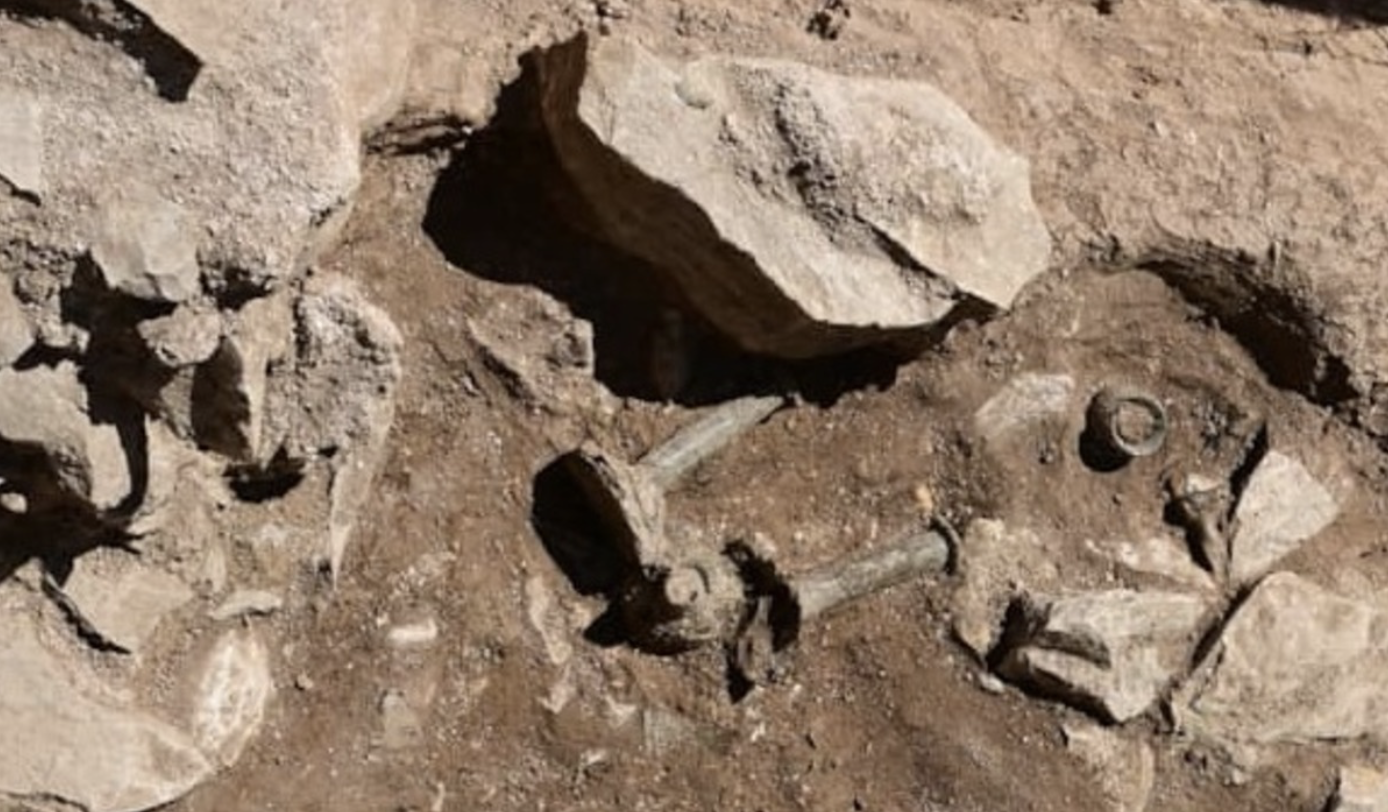
Photo Credit: Archaeological Museum in Split
Of the cremation graves, 12 contained cremated human remains placed directly into pits. Three used ceramic urns, while another employed a stone urn. One of these cremation burials, Grave 137, also contained a glass balsamarium, along with a bone pin and a ceramic oil lamp.
Grave 162 could also have implications for understanding how the cemetery itself developed. The burial had been cut into the remains of an older wall that had previously been interpreted as the northern boundary of a burial plot. The plot was thought to have been bordered to the south by a structure known as the murazzo.
Interestingly, other graves dating to the 1st century AD had also been dug across the remains of the abandoned wall. This raises the possibility that the wall was constructed before the murazzo, rather than forming part of the same phase of the cemetery. If that interpretation is confirmed, the discovery could add another stage to the history of how this section of Salona's necropolis was laid out and reorganised.
The excavation of Grave 162 provides archaeologists with much more than an unusual glass object.
The combination of a prone burial, an exceptionally varied collection of grave goods and evidence for earlier structures beneath the cemetery offers an opportunity to investigate several aspects of life and death in Roman Salona.
The excavations are being undertaken by the Croatian Conservation Institute and the Archaeological Museum in Split, while bioarchaeological work is being carried out by the Anthropological Centre of the Croatian Academy of Sciences and Arts. Further analysis may help explain the circumstances surrounding the burial and reveal more about the person placed within it.
For now, the date-shaped balsamarium is undoubtedly one of the most distinctive discoveries from the 2026 excavation season, but it is the combination of the unusual burial position, rich assemblage and complex archaeological layers that makes Grave 162 particularly significant.