Rare Roman Villa and Circular Bath Unearthed in Ancient Alexandria!
Archaeologists working in Alexandria have uncovered the remains of an ancient neighbourhood hidden beneath the modern Muharram Bek district, including a rare circular bathhouse and an impressive Roman-era villa decorated with mosaics. The discovery is giving researchers a clearer understanding of how the city changed and developed over hundreds of years.
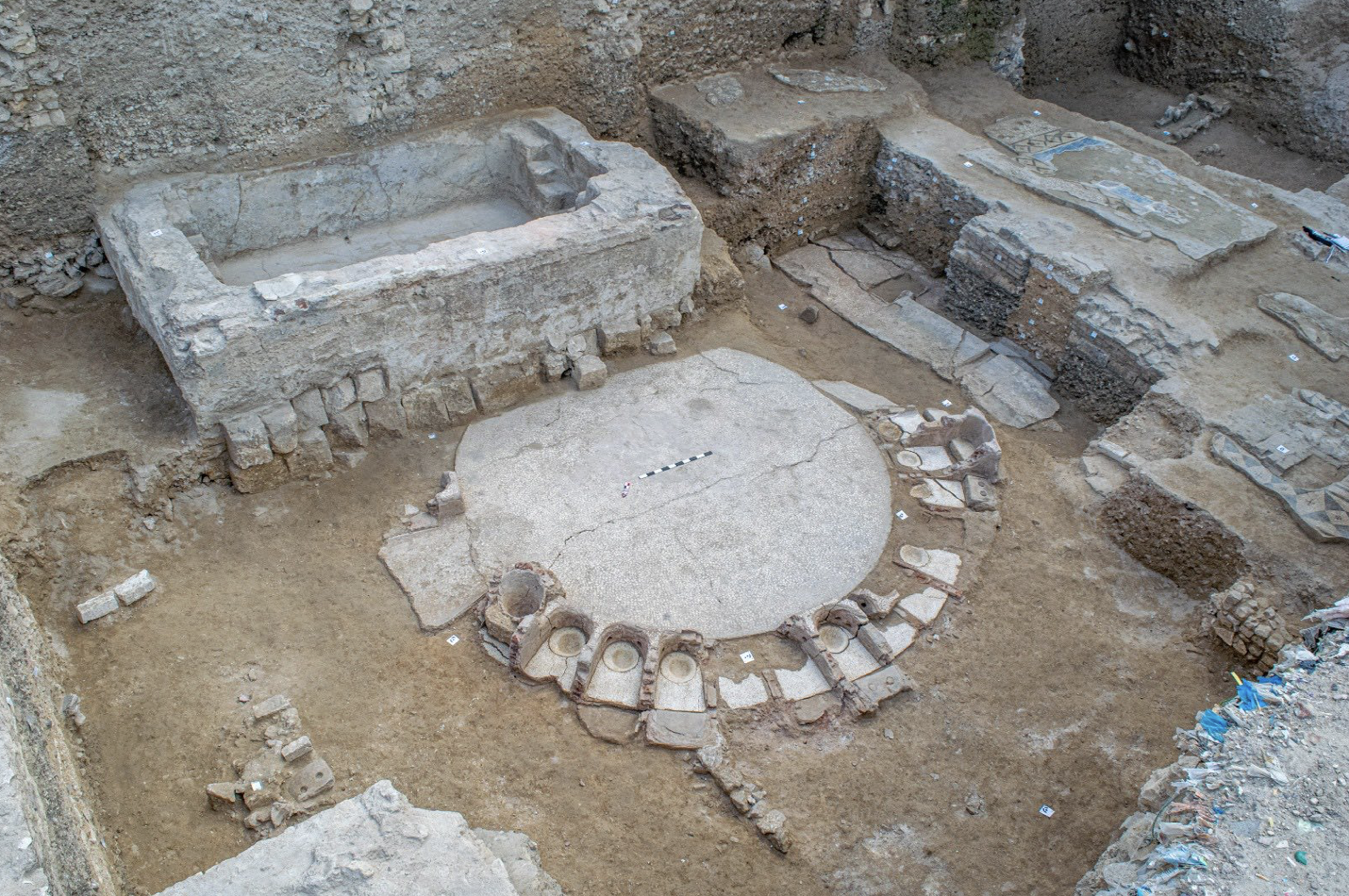
Photo Credit: Egypt’s Ministry of Tourism and Antiquities
The excavation was carried out by Egypt’s Supreme Council of Antiquities during rescue works in central Alexandria. Experts identified layers of occupation dating from the Ptolemaic, Roman and Byzantine eras, revealing that the area remained active for centuries.
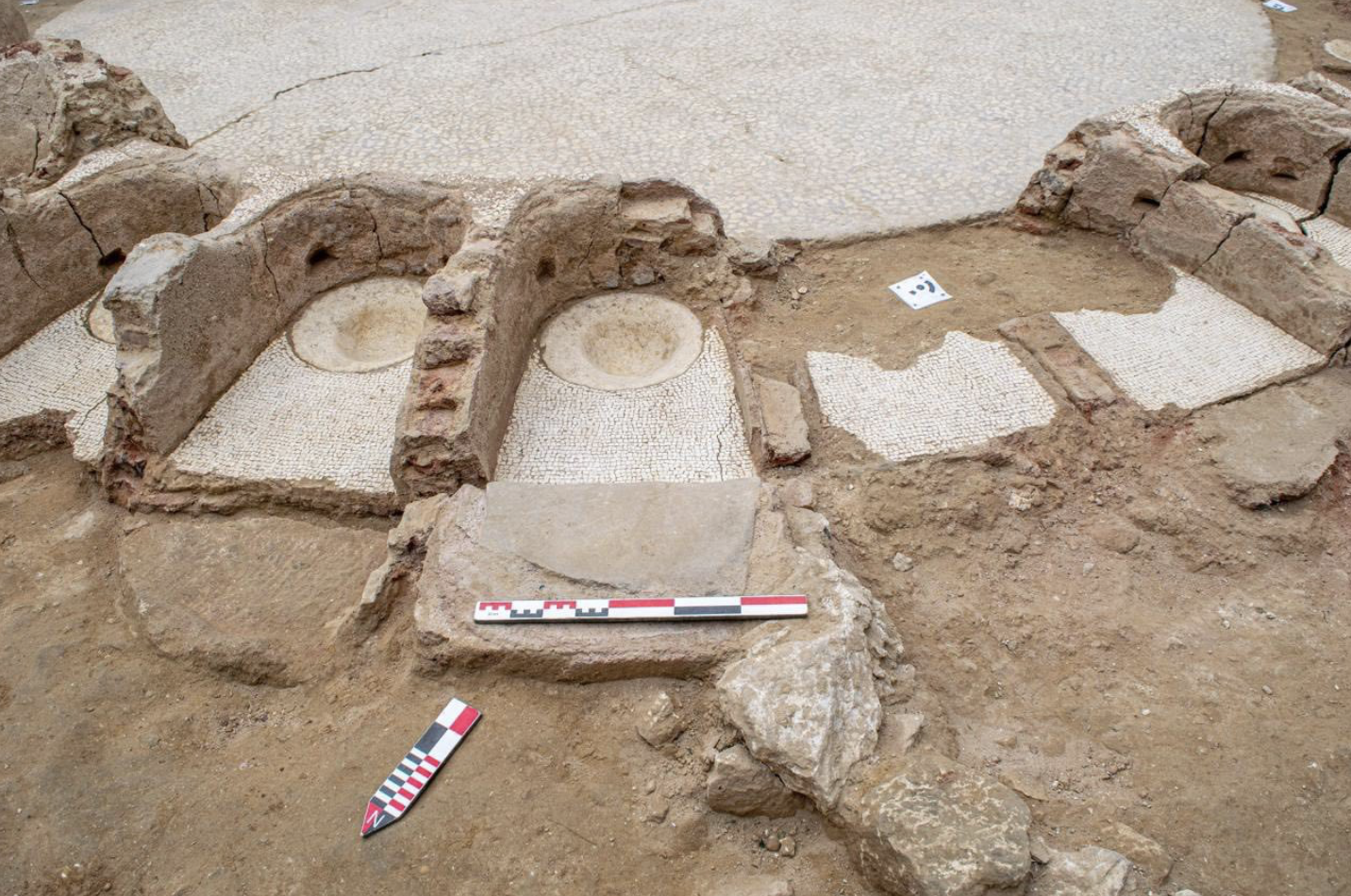
Photo Credit: Egypt’s Ministry of Tourism and Antiquities
Among the most remarkable finds is a circular public bath believed to date back to the final years of the Ptolemaic dynasty. Built in a Greek-inspired tholos design, the structure stands out because bathhouses of this shape are extremely uncommon in Alexandria. Archaeologists suspect it formed part of a much larger public complex that may still lie buried nearby.
The discovery also highlights how heavily populated and organised this district once was. Unlike Alexandria’s royal quarters and famous harbour areas, Muharram Bek has received relatively little archaeological attention, meaning these new remains could reshape understanding of the city’s wider layout.
Only a short distance from the bathhouse, researchers uncovered a Roman villa containing richly decorated mosaic floors. Different artistic methods were used throughout the home, including small stone tesserae arranged into patterns and coloured marble pieces cut into decorative designs.
The property also featured its own private bathing area linked to a sophisticated water system. This suggests the home belonged to wealthy residents who enjoyed a high level of comfort and access to advanced engineering during the Roman period.
Rather than focusing solely on Alexandria’s grand monuments and historical figures, discoveries like this reveal details about ordinary urban life. They show how residents designed their homes, managed water supplies and lived within one of the Mediterranean’s most influential cities.
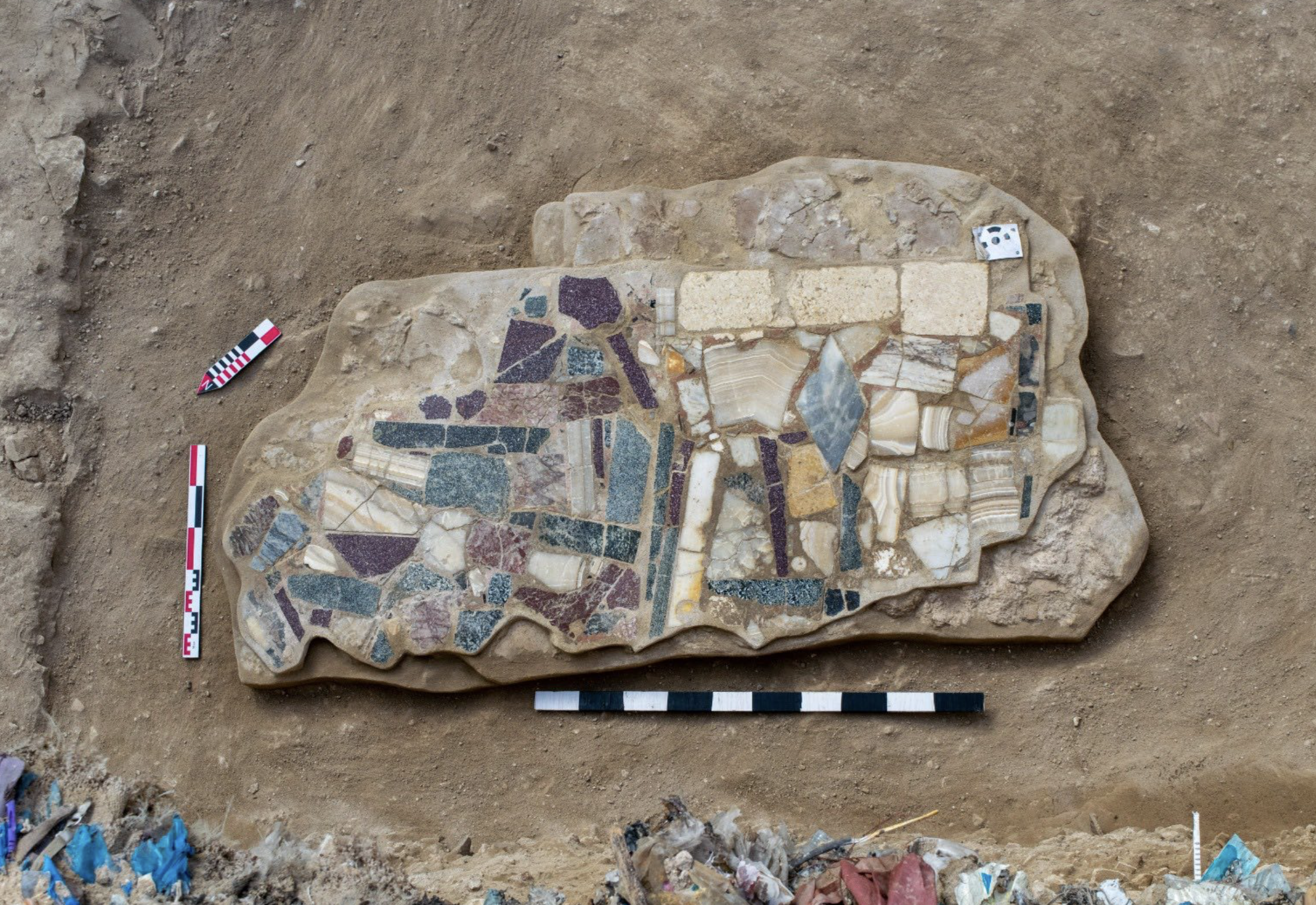
Photo Credit: Egypt’s Ministry of Tourism and Antiquities
According to Egyptian officials, the excavation helps fill a missing section in the archaeological map of ancient Alexandria, particularly in the city’s south-eastern region. The findings may also support earlier attempts to reconstruct Alexandria’s original urban plan, including the work of the 19th-century scholar Mahmoud Bey al-Falaki.
Evidence from the site indicates that this part of the city remained inhabited well into the Byzantine era before eventually declining as Alexandria’s boundaries and infrastructure changed over time.
Founded by Alexander the Great in 331 BC, Alexandria became one of the ancient world’s leading centres of trade, learning and culture. However, centuries of earthquakes, rebuilding and coastal change have dramatically altered its original appearance, leaving much of the ancient city buried beneath modern development.
The excavation also produced a large collection of artefacts, including pottery, coins, oil lamps and fragments of transport amphorae used for trade across the Mediterranean. These items provide further evidence of Alexandria’s extensive commercial connections with other regions.
Several marble statues were recovered as well, including figures linked to Bacchus and Asclepius, alongside a damaged statue believed to represent Minerva. The presence of healing-related imagery connected to Asclepius may suggest the surrounding area once held religious or therapeutic importance.
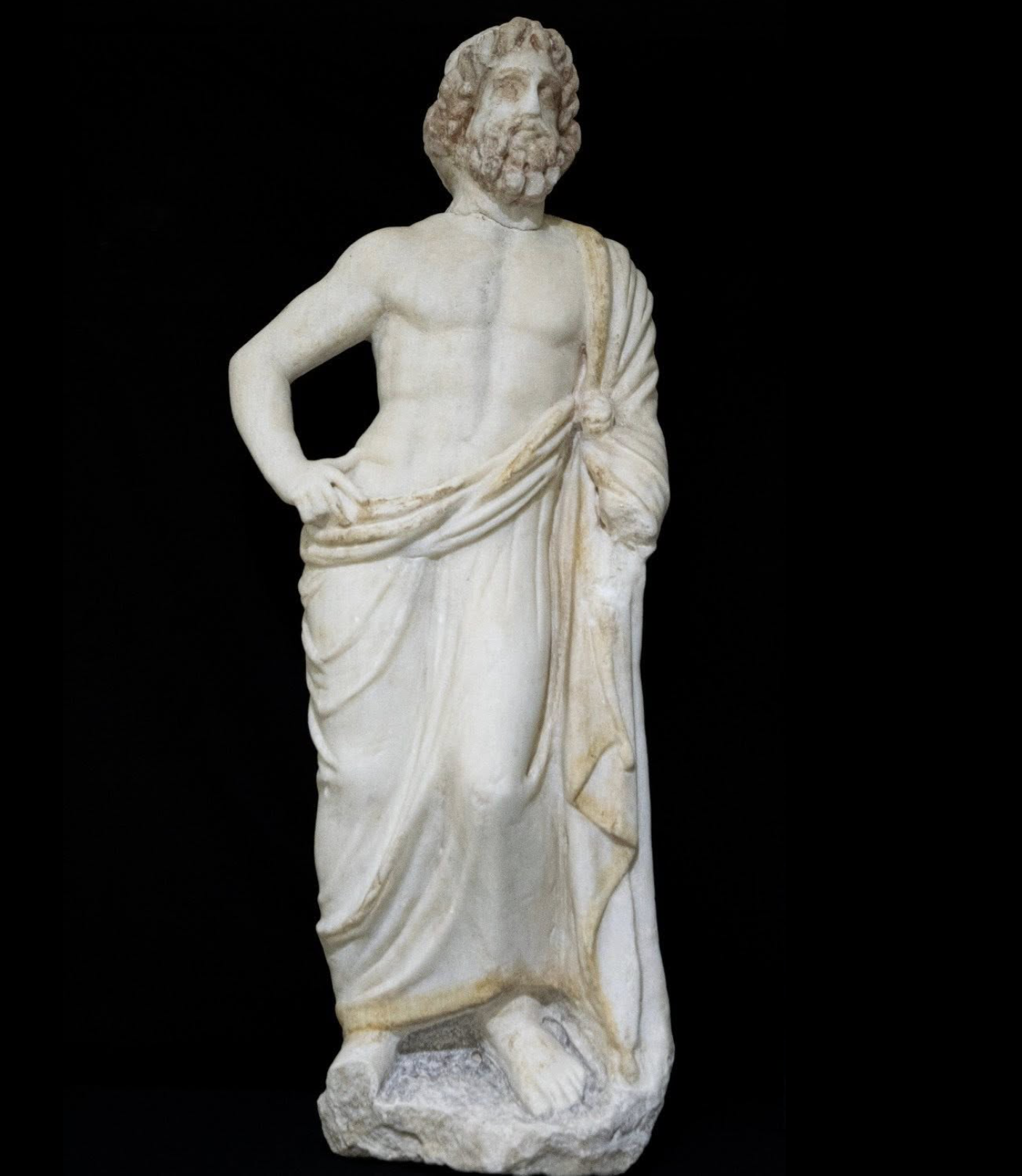
Photo Credit: Egypt’s Ministry of Tourism and Antiquities
Together, the discoveries reveal a lively district shaped by commerce, religion, domestic life and artistic expression. Archaeologists say the mix of cultures and influences reflected in the finds captures the cosmopolitan nature that made Alexandria famous throughout antiquity.
Conservation work is already under way, with specialists restoring smaller objects and assessing how best to preserve the mosaic flooring. Some of the discoveries could eventually be displayed at the Greco-Roman Museum.
Excavations at Muharram Bek are expected to continue, and researchers believe further structures may still be waiting beneath the surface. For a city where much of the ancient landscape remains concealed below modern streets, each new discovery offers another piece of Alexandria’s long and complex history