Roman Settlement Unearthed in Switzerland Reveals Metalworking and Peacock Brooch!
Archaeological excavations at Stramonte in Ligornetto, southern Switzerland, are uncovering evidence of a Roman settlement where craft production, agriculture and daily activity came together. Among the discoveries are a substantial masonry building, large quantities of ironworking waste and a small bronze brooch thought to depict a peacock.
The investigation began in June 2026 ahead of the construction of a new residential building. Covering approximately 500 square metres, the excavation has revealed a complex archaeological landscape that developed over several centuries, offering insights into how this area of modern-day Ticino was used during the Roman period.
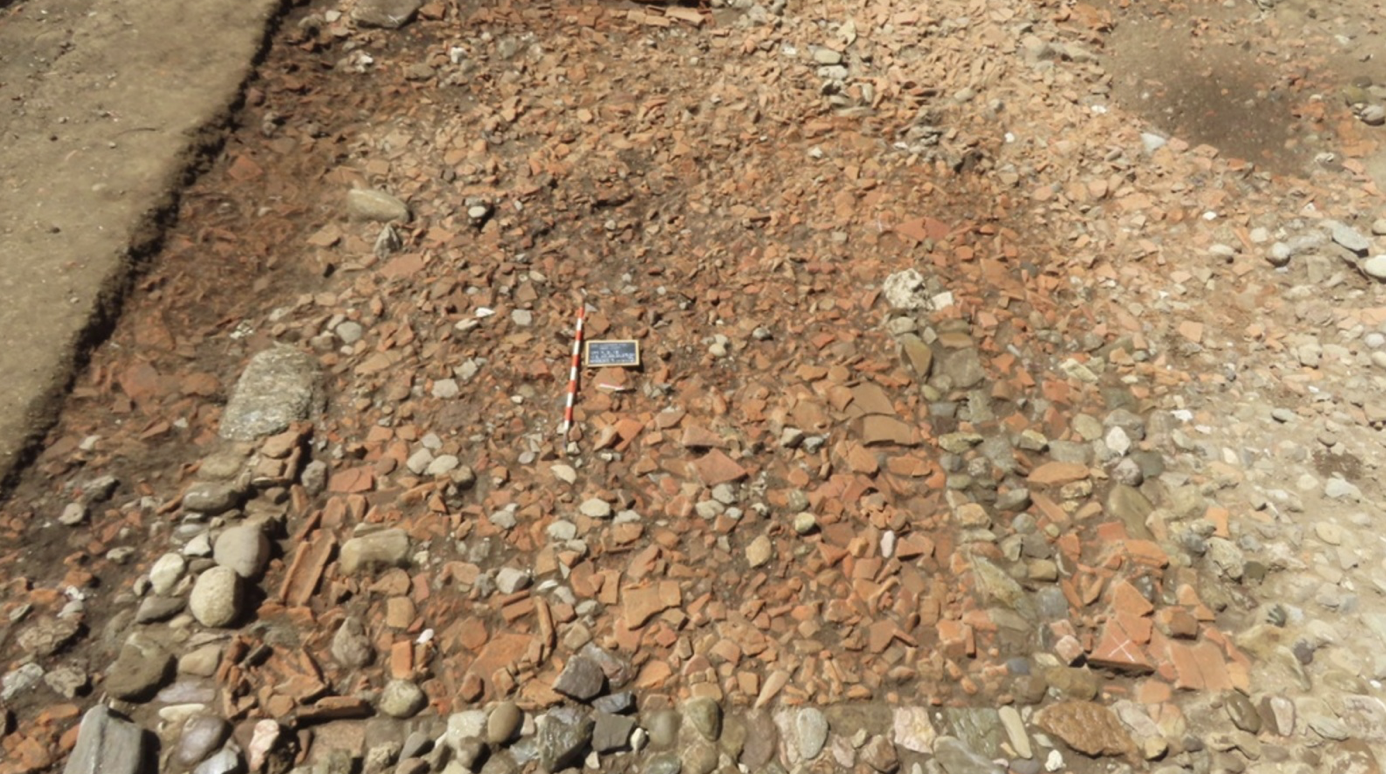
Photo Credit: UBC Archaeology Service Archive.
Although much of the exposed building dates to the second and third centuries AD, earlier remains indicate that activity in the area began well before its construction. Archaeologists have identified material dating to the Augustan period and the final decades of the first century BC, suggesting that the site was already in use during the transition into Roman rule.
At the centre of the excavation is a masonry structure measuring approximately eight metres in width and at least 11 metres in length. Its western end continues beyond the boundary of the current excavation, meaning that archaeologists have not yet uncovered the entire building.
Six rooms have been identified so far, alongside a portico measuring around three metres wide along the southern side. This covered walkway faced a small road, placing the structure within a connected settlement rather than a standalone building in the countryside.
The rooms vary in size, with two measuring approximately 16 and 20 square metres. Archaeologists have also found postholes and a narrow path constructed using reused roof tiles in the open areas surrounding the building.
The structure underwent modifications during the second and third centuries AD. New partitions were introduced, and older materials were incorporated into later construction. One particularly distinctive feature is a series of walls containing reused roof tiles arranged in a herringbone pattern.
However, the building lacks one feature that would commonly be expected in a traditional Roman dwelling: fireplaces or hearths. According to archaeologist Luisa Mosetti of Ticino’s cultural heritage office, no clear evidence of installations for cooking or heating has been identified. This raises questions about the building's purpose and suggests that it may not have functioned as an ordinary domestic residence.
Its exact role remains uncertain, but the activities discovered in the surrounding area may offer important clues.
The ground around the building has produced substantial quantities of industrial waste, particularly iron slag and remains associated with bronze working. Iron slag is a by-product of metal production, created during the process of extracting and working iron. Its presence in such large quantities suggests that metalworking took place somewhere in the vicinity, although the precise location of the workshop and the way it was organised have not yet been established.
Archaeologist Rosanna Janke highlighted the abundance of iron slag during an interview with Swiss broadcaster RSI, drawing attention to one of the excavation's most significant findings.
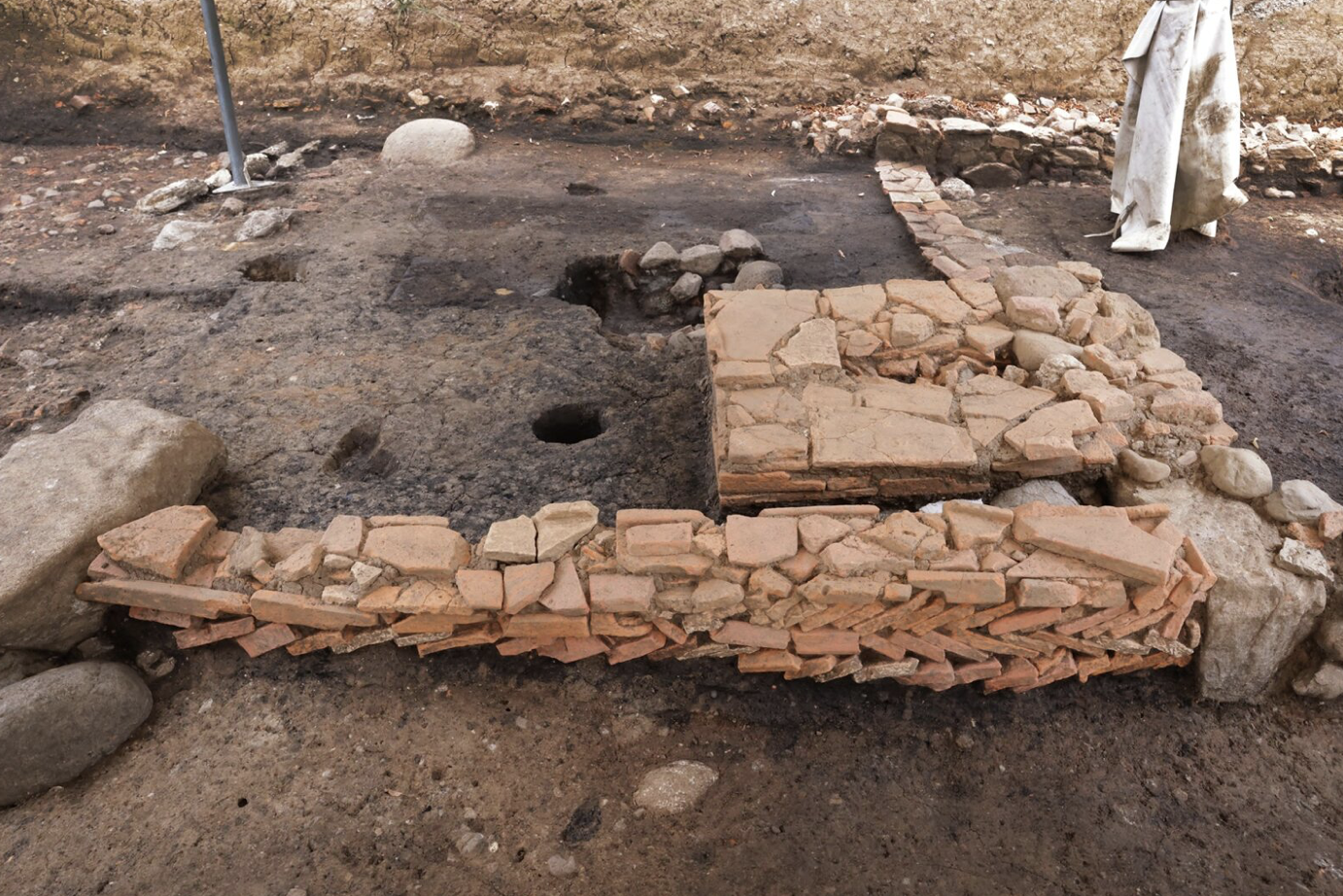
Photo Credit: UBC Archaeology Service Archive, photo by D. Rogantini-Temperli.
The discoveries do not necessarily mean that the main masonry building itself was a forge. Instead, the combination of metalworking waste, postholes, open working areas and a structure without obvious domestic hearths could point towards a broader complex where different activities took place.
This distinction is important when reconstructing Roman settlements. Archaeologists must consider how individual buildings relate to their surroundings, rather than automatically assigning a single function to every structure found at a site.
At Stramonte, the evidence suggests a landscape where craft production and other forms of work took place alongside movement along a local road and agricultural activity.
Among the excavation's smaller discoveries is a bronze zoomorphic fibula, or brooch, dating to the second or third century AD. The object appears to depict a peacock, making it an especially interesting find because of the bird's associations in Roman culture.
Animal-shaped brooches were used throughout the Roman world, and examples have been discovered in both Roman provinces and regions inhabited by local communities. Comparable peacock brooches are held in museum collections, including the Metropolitan Museum of Art.
The peacock also had a particular symbolic association with Juno, the Roman goddess who was regarded as Jupiter's wife and queen of the gods. She was connected with marriage and other aspects of women's lives, while the peacock became one of her recognisable attributes in Roman art.
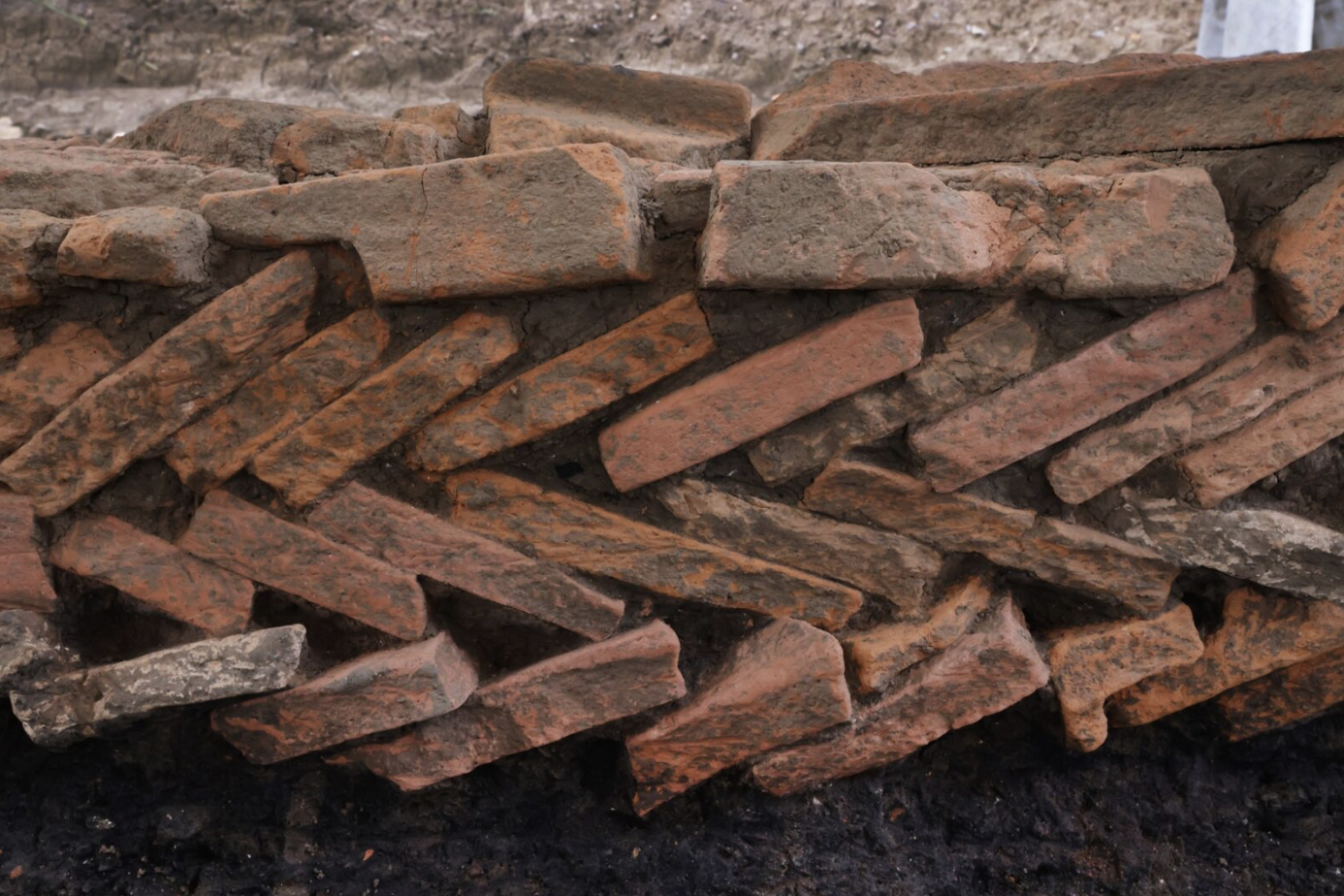
Photo Credit: UBC Archaeology Service Archive, photo by D. Rogantini-Temperli.
The British Museum identifies the bird as an emblem of Juno, and artistic representations sometimes show the goddess alongside a peacock. That association, however, does not prove that the brooch found at Ligornetto was worn for religious purposes. There is currently no direct evidence to establish the beliefs of its owner or the reason the bird was chosen.
Nevertheless, the object provides a glimpse into the visual culture of the Roman period. Unlike the walls and industrial waste, which primarily reveal the organisation of the site and the activities carried out there, a personal ornament offers a more direct connection to the people who lived and worked in this landscape.
The archaeological history of Stramonte extends beyond the masonry building uncovered during the current investigation. Beneath the later remains, archaeologists have encountered evidence of earlier activity, including wooden structures dating to the final decades BC. Excavations in deeper layers are also revealing material from the Augustan period, helping to trace how the area developed during the early Roman era.
Ligornetto formed part of a wider region influenced by the important urban centres of Como and Milan. Inscriptions discovered at Ligornetto and nearby Stabio provide evidence of connections between local families and individuals who held significant positions in those cities.
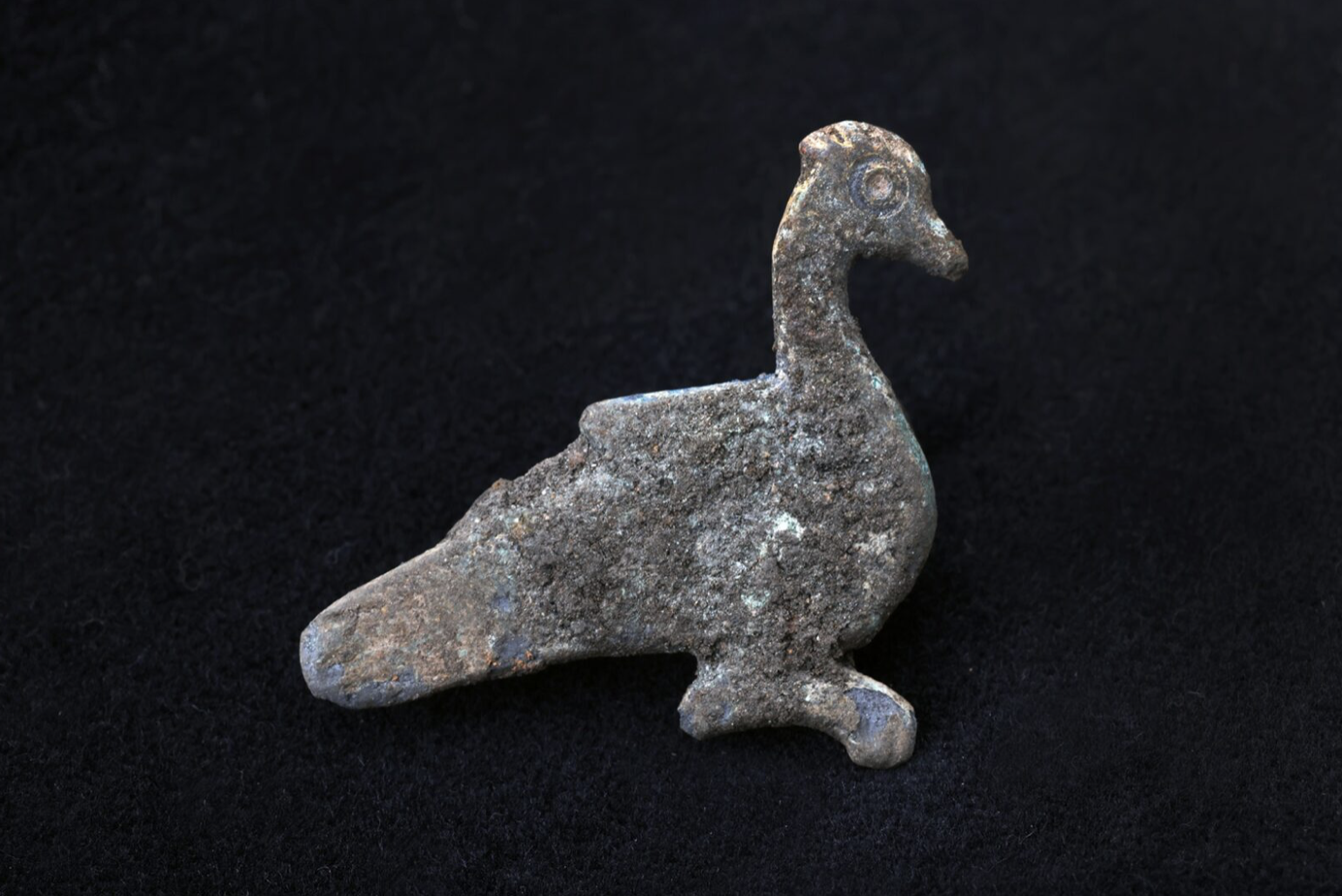
Photo Credit: UBC Archaeology Service Archive, photo by D. Rogantini-Temperli.
The nearby Roman villa of San Pietro di Stabio, located less than a kilometre from the excavation, further demonstrates the extent of Roman occupation in the surrounding area.
Together, these discoveries suggest that Stramonte should not be viewed in isolation. Its buildings and working areas formed part of a wider landscape shaped by settlement, economic activity and connections to larger communities.
At some point during the third century AD, the Roman building was destroyed by a major fire. The intense blaze caused its tiled roof to collapse, leaving behind charcoal and substantial quantities of building debris.
Although destruction brought the structure's use to an end, the remains left by the fire have provided archaeologists with evidence for reconstructing its final phase. Burnt material and collapsed architectural elements can help establish how a building was modified and used before it was abandoned.
Excavations are scheduled to continue throughout autumn 2026, taking place alongside the residential construction project. Since part of the building extends beyond the current excavation area, further investigation may reveal additional rooms or information about the settlement's layout.
The precise function of the structure has yet to be determined, but the discoveries already paint a picture of a Roman landscape shaped by more than domestic life.
A roadside building, metalworking waste, agricultural activity and evidence of earlier occupation all contribute to the story of Stramonte. Alongside these larger discoveries, the tiny bronze peacock brooch offers a reminder that the site was also used by individuals whose everyday lives are now being pieced together through archaeology.
Nearly 2,000 years later, the excavation is providing a closer look at the people, industries and connections that helped shape this corner of Roman Switzerland.