Uncovering the Roman Empire’s Hidden Leather Economy!
A groundbreaking research project is set to reshape how we understand the Roman Empire’s economy by focusing on an often-overlooked but essential material: leather. Despite its vital role in everything from military equipment to everyday household items, leather has received surprisingly little scholarly attention. Led by Teesside University, this three-year study aims to uncover how leather was produced, distributed and used across Roman territories, filling major gaps caused by the poor survival of organic materials in the archaeological record.
The project is being led by Dr Gillian Taylor, Associate Professor at Teesside University’s School of Health and Life Sciences, in collaboration with experts from University College London, Western University in Canada, and North Carolina State University in the United States. It represents the first large-scale biomolecular investigation of Roman leather artefacts.
By combining advanced scientific techniques, such as ancient DNA analysis, with archaeological and historical research, the team hopes to identify which animal species were used to make Roman leather goods, as well as the animals’ sex and even their geographic origins. This information will allow researchers to reconstruct patterns of animal husbandry, manufacturing methods and trade networks that supported both military operations and civilian life across the Empire.
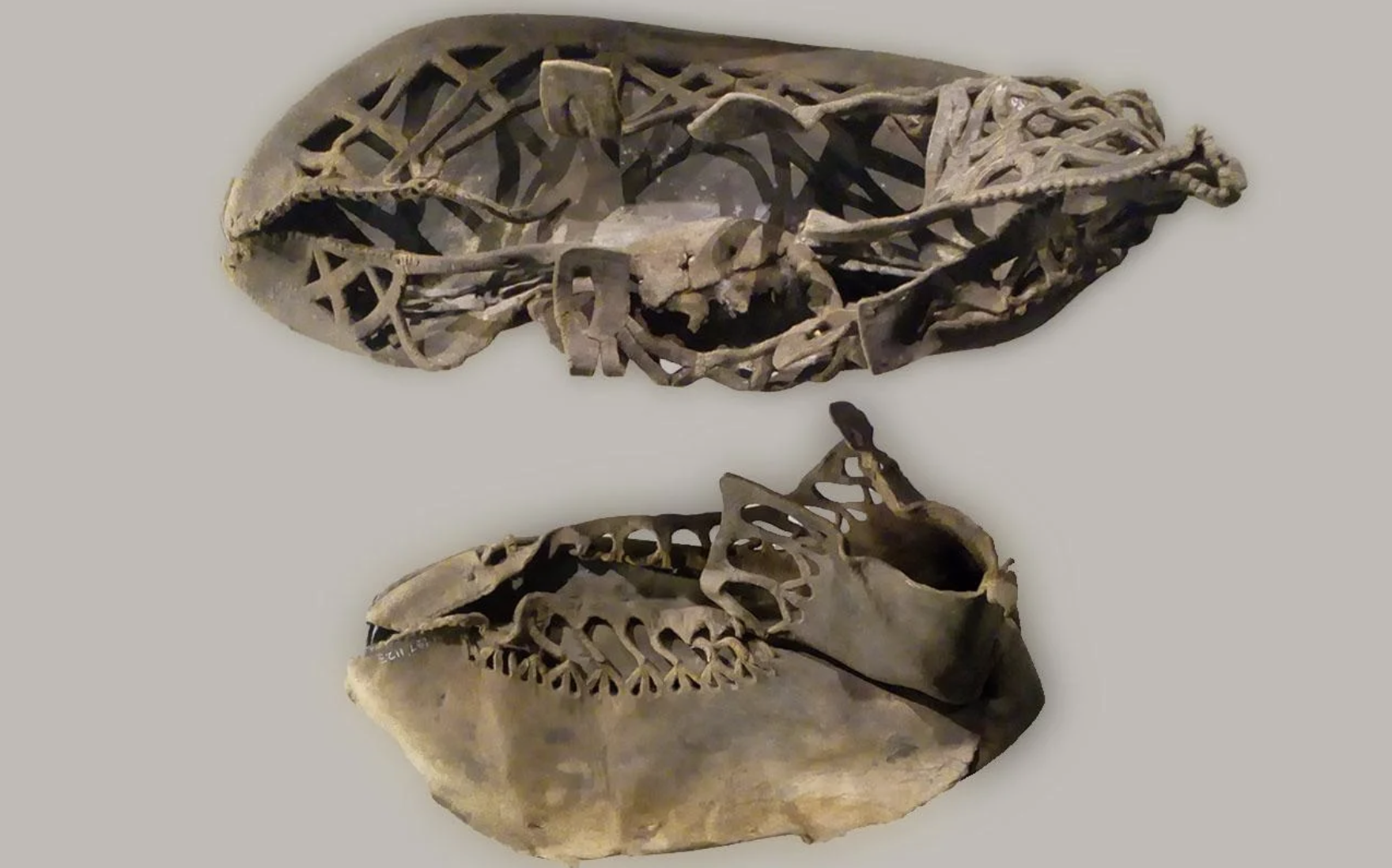
Photo Credit: Victuallers / CC BY 4.0
At the heart of the study is Vindolanda, a Roman fort near Hadrian’s Wall in northern England. Thanks to its waterlogged soil, Vindolanda has preserved the largest known collection of Roman leather artefacts, including shoes, tents, bags and other everyday objects that rarely survive elsewhere. These remarkable finds provide a unique window into daily life on the Roman frontier.
To broaden the picture, the researchers will also analyse material from other key sites, including Trimontium in Scotland and the Roman settlements of Valkenburg and Vechten in the Netherlands. Comparing evidence from different regions will help reveal local variations in leather production and consumption, as well as wider imperial supply networks.
The project is being carried out in close partnership with organisations such as the Vindolanda Trust, the National Museum of Scotland and the National Museum of Antiquities in the Netherlands. Alongside granting access to their collections, these institutions will support public engagement efforts to share the project’s findings with audiences around the world. By linking scientific data with historical models, the researchers aim to build a richer understanding of how people across the Roman Empire lived, worked and adapted to their environments.
Beyond its historical importance, the research also has clear modern relevance. Climate change is accelerating the decay of archaeological sites, particularly those preserving fragile organic materials like leather. The findings of this study are expected to inform future strategies for identifying, recovering and conserving leather artefacts before they are permanently lost, ensuring that these vital traces of the past can be studied and preserved for generations to come.